Request a consultation
Sensor family

Soil Sensors: moisture, temperature, salinity

Soil sensors measure what happens in the root zone: moisture, temperature, salinity and nutrients, zone by zone. You water where the soil is dry, not everywhere, and see turf or crop stress before it shows on the surface.

Soil & Soil Moisture
Protocols: LoRaWAN

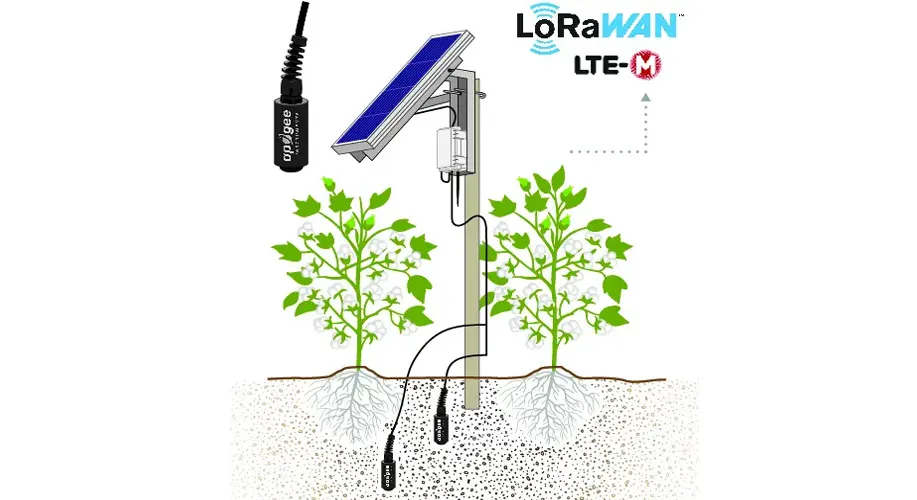
A green can look fine at 7 am and be stressed by noon. The surface tells you little; the root zone tells you far more. Soil sensors sit in the ground at the depth where roots draw water and report moisture, temperature and salinity at regular intervals.

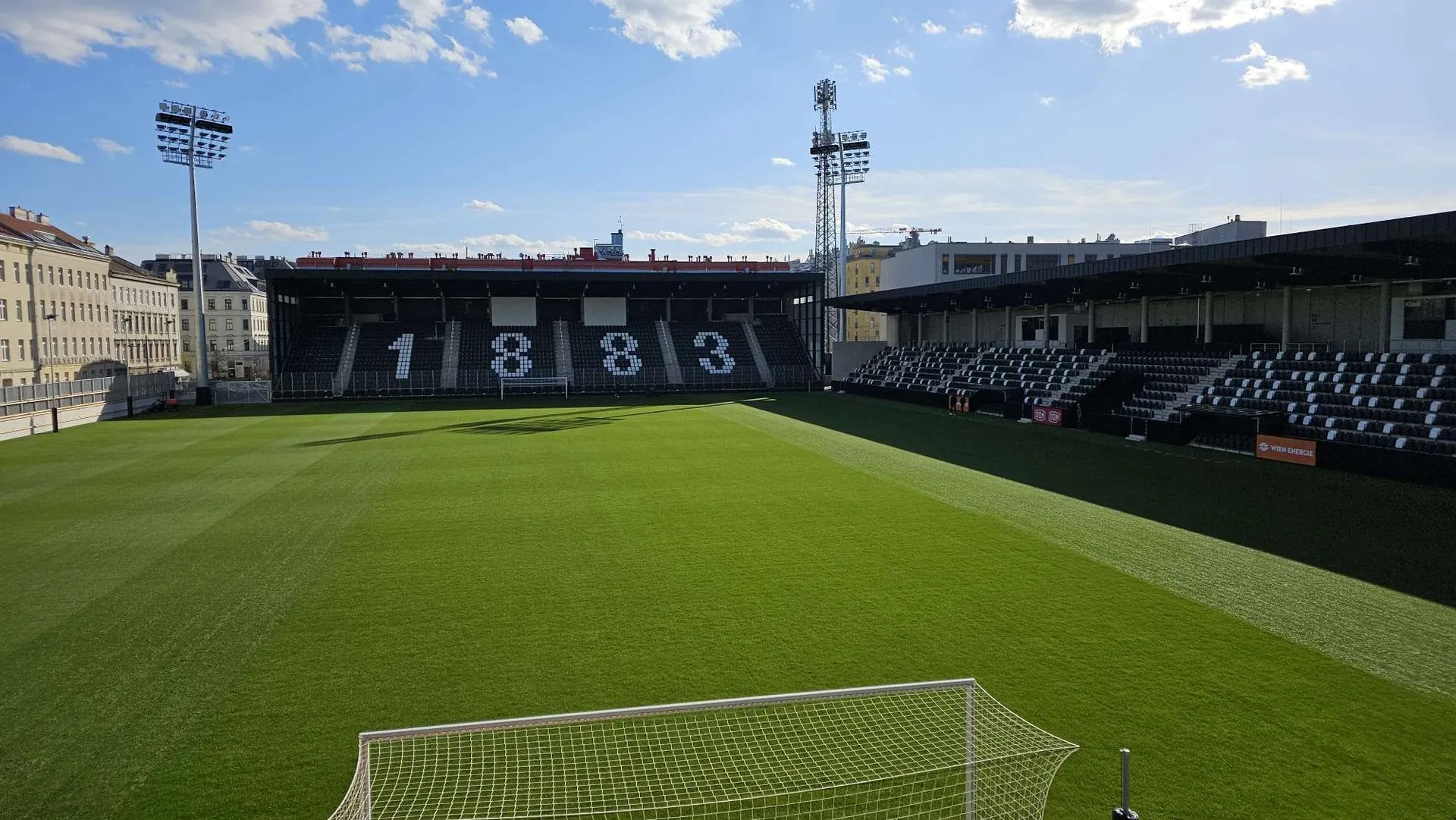
Each probe sends its readings wirelessly to the baiond Gateway, and baiond puts them next to weather and rainfall. Before a tournament, the head greenkeeper asks whether green 9 needs water and gets an answer with the numbers: 22.4 % moisture, inside the 20–25 % target, and 18.2 °C at 10 cm. No irrigation today – and no water spent on a green that is already right.

Variants
7
Industries using it
7
Protocols
LoRaWAN
How the readings travel
Sensor baiond Gateway Your answer
Variants

Every Soil & Soil Moisture variant, one platform.

Pick the variant that fits the place. Whatever you choose, the readings arrive in the same platform and answer the same questions.

Soil moisture sensor

Soil moisture sensor

The water available to roots – against over- and under-watering.

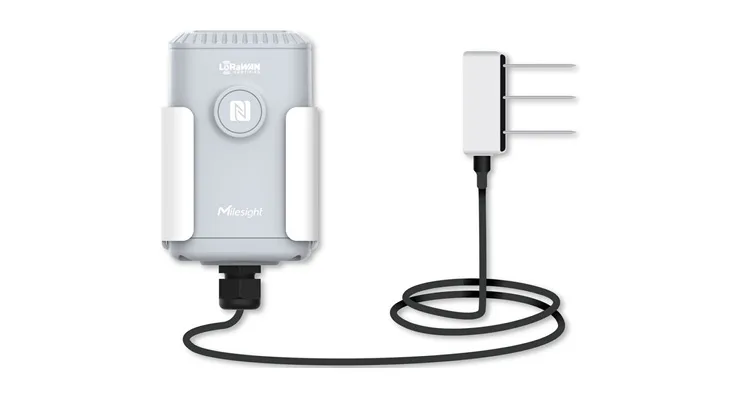
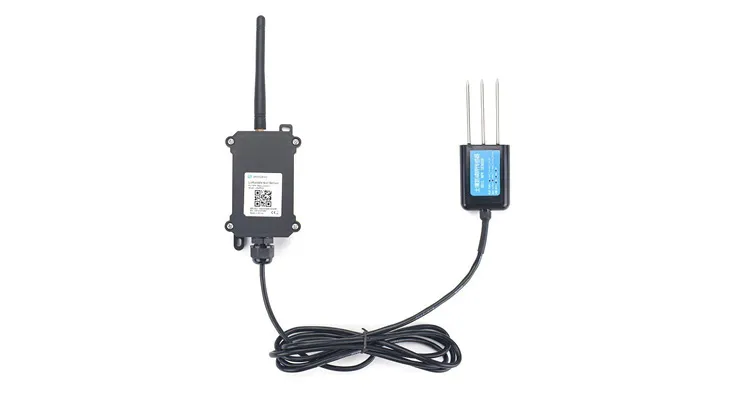
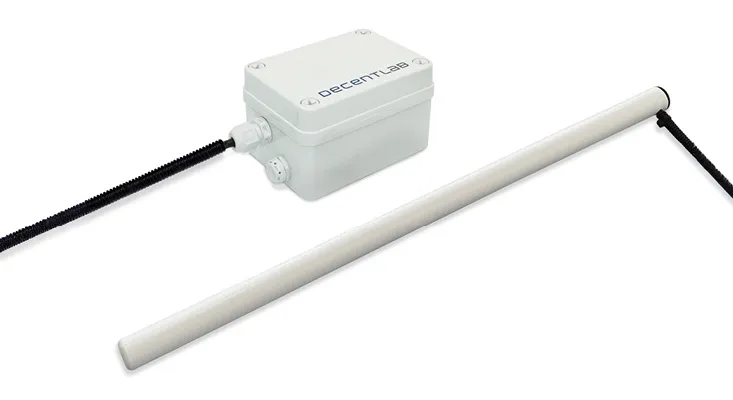
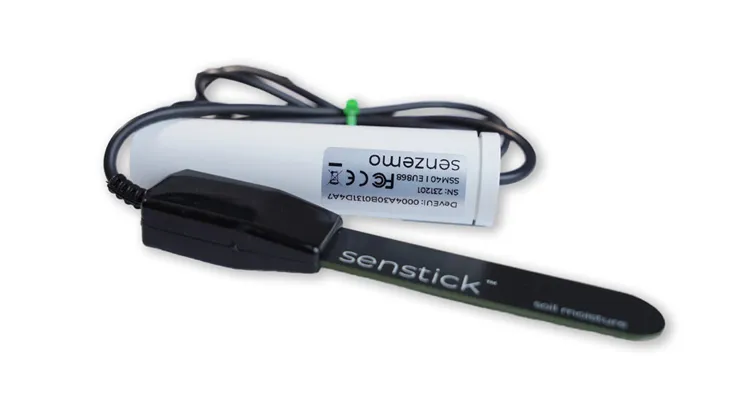
A soil moisture sensor measures the water content of the soil, usually by capacitance. It shows how much water is really available to the roots and keeps irrigation between too much and too little. The readings can guide a greenkeeper by hand or drive an irrigation system directly.

Measures
Volumetric water content (%)
Typical use
Greens, sports turf, vineyards, reforestation
Soil temperature sensor

Soil temperature sensor

Temperature at root depth – for growth, planting and frost risk.

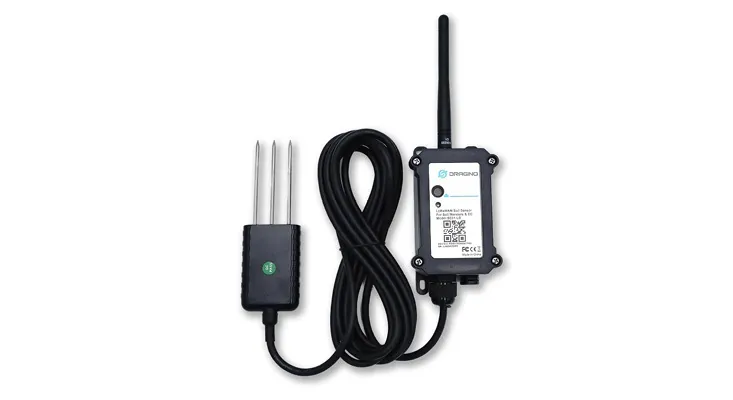
Soil temperature drives germination, root growth and microbial activity. Measured at different depths, it tells you when to sow or fertilise, whether a pitch is frozen below the surface and when heat stress sets in.

Measures
Temperature at depth (°C)
Typical use
Frost checks, sowing and fertilising
Soil pH sensor

Soil pH sensor

How acidic or alkaline the soil is – and whether it needs correcting.

The pH value decides how well plants can take up nutrients. A pH sensor shows whether the soil needs lime or sulphur to come back into balance, so fertiliser is not wasted on roots that cannot use it.

Measures
pH value
Typical use
Agriculture, landscaping, restoration
Soil EC sensor

Soil EC sensor

Electrical conductivity

Dissolved salts in the soil – nutrient load or salt build-up.

Electrical conductivity estimates the salts dissolved in the soil. A high value points to salt build-up from irrigation, a low one to a lack of nutrients. Read together with moisture and pH, it guides fertilisation.

Measures
Conductivity (mS/cm)
Typical use
Fertilisation, irrigated turf and crops
Soil nutrient sensor

Soil nutrient sensor

NPK sensor

Nitrogen, phosphorus and potassium – fertilise what is missing.

A nutrient sensor measures the three main plant nutrients – nitrogen, phosphorus and potassium – and in some models calcium or magnesium too. Fertiliser goes where it is missing, which keeps the soil balanced and reduces runoff into the surroundings.

Measures
N, P, K levels
Typical use
Precision agriculture, vineyards
Soil oxygen sensor

Soil oxygen sensor

Oxygen in the root zone – a sign of waterlogging or poor drainage.

Roots and soil life need oxygen. A soil oxygen sensor shows when the root zone runs short, usually because of waterlogging or compaction. It tells you where drainage or aeration will help, especially on wet or heavily used ground.

Measures
Oxygen concentration (%)
Typical use
Compacted pitches, wet sites
Soil salinity sensor

Soil salinity sensor

Salt concentration that stresses plants and degrades soil over time.

Salt builds up through poor irrigation water or over-fertilisation. Plants then take up less water and the soil degrades over the years. A salinity sensor catches the rise early – essential where irrigation runs a lot or the climate is dry.

Measures
Salinity
Typical use
Irrigated turf, arid regions
Under the hood

For technical readers

Every variant at a glance, with the protocols the readings travel on.

Protocols
  • LoRaWAN
Soil & Soil Moisture: variants, what they measure, typical use
VariantMeasuresTypical use
Soil moisture sensor Volumetric water content (%) Greens, sports turf, vineyards, reforestation
Soil temperature sensor Temperature at depth (°C) Frost checks, sowing and fertilising
Soil pH sensor pH value Agriculture, landscaping, restoration
Soil EC sensor Conductivity (mS/cm) Fertilisation, irrigated turf and crops
Soil nutrient sensor N, P, K levels Precision agriculture, vineyards
Soil oxygen sensor Oxygen concentration (%) Compacted pitches, wet sites
Soil salinity sensor Salinity Irrigated turf, arid regions

Data sheets (radio, power supply, protection class) for the variant that fits your site come with the quote. Request data sheets

Ask baiond

Ask what it measures.

A question this sensor answers, the way baiond answers: readings, reasons, a recommendation and the source.

baiond AI Your data. Real answers.
Demo · not connected to live sensorsDemo
Is the soil moisture on green 9 optimal for today's tournament?
You
Checked Soil sensors · Weather station · baiond Gateway How did baiond know?
  1. Sensor
  2. baiond Gateway
  3. Space System
  4. AI agent

The sensor reports to the baiond Gateway, the Space System puts the reading in context (location, threshold, history), and the AI agent turns it into an answer.

Source: Soil sensors · Weather station · baiond Gateway

  • Soil moisture 22.4% VWC
  • Target 20–25%
  • Soil temp. 10 cm 18.2°C

Yes. The subterranean moisture level is currently 22.4 % VWC and within the target range for optimal turf firmness (20–25 %). Soil temperature at 10 cm depth is 18.2 °C and salinity levels are balanced. No irrigation is required today.

baiond AI
Recommendation

Continue regular monitoring. Skip tonight's cycle on green 9 if the 15:00 reading is still above 21 %.

Would you like me to investigate further?

Frequently asked questions

Frequently asked questions

How many soil sensors does a golf course or pitch need?

It depends on how different the zones are – shade, slope, soil type. Usually one probe per zone that is watered differently is enough to start; the count is set during planning.

Do the probes get in the way of mowing or play?

Usually not. The probes are buried at root depth and only the radio module stays near the surface, placed where mowers and players do not reach it.

What is the difference between soil moisture and a tensiometer?

A moisture sensor reports how much water is in the soil; a tensiometer reports how hard it is for roots to draw it out. Both appear side by side in baiond, and many sites use one of each.

Can baiond tell me when to water?

Yes. Ask it about a green, a pitch or a plot and it compares the soil moisture with your target and the forecast rain, then suggests where and how much to water.

Next step

Which Soil & Soil Moisture sensor fits your site?

Tell us the place and the question. We name the variant, the quantity and what it costs.

Request a quote
Ask baiond
baiond AI is typing