Rhino Ark: 800 km of protective fence, wildlife and water in view
A solar-powered sensor network across protected areas in Kenya: baiond watches over 800 km of electric fence, water and soil, and identifies wildlife with AI cameras.
Results at a glance
- Electric fence monitored
- 800 km
- A sensor network that needs no grid
- Solar
- Alerts from places no patrol can watch
- Remote
The situation
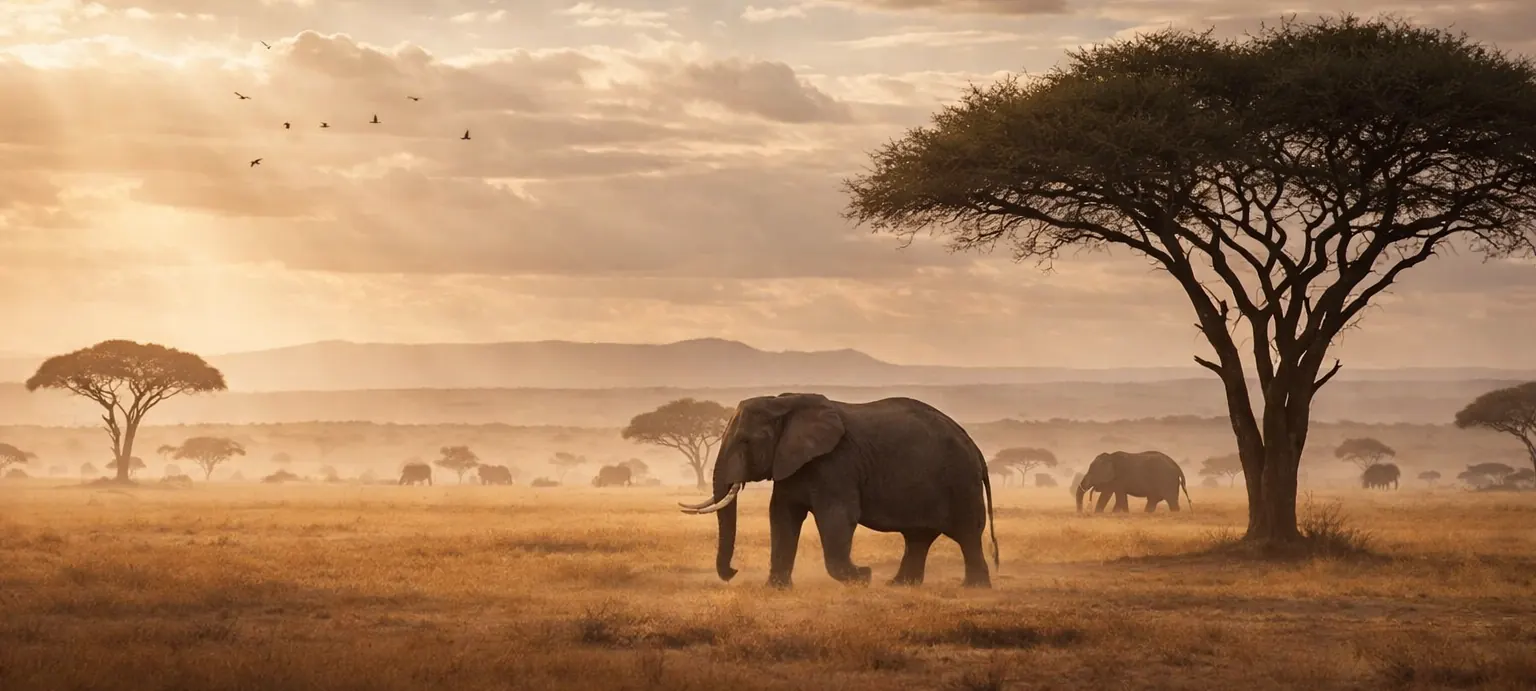
Rhino Ark protects Kenya's mountain forests and their wildlife – with electric fences that keep people and animals apart over hundreds of kilometres of remote terrain. A fence only protects while it carries voltage. A fallen branch or a cut wire can go unnoticed for days when the next ranger patrol is far away.
Conservation today needs more than good intentions: it needs data from places no one can watch around the clock, and it needs to show donors and partners what the work achieves.
What baiond does there
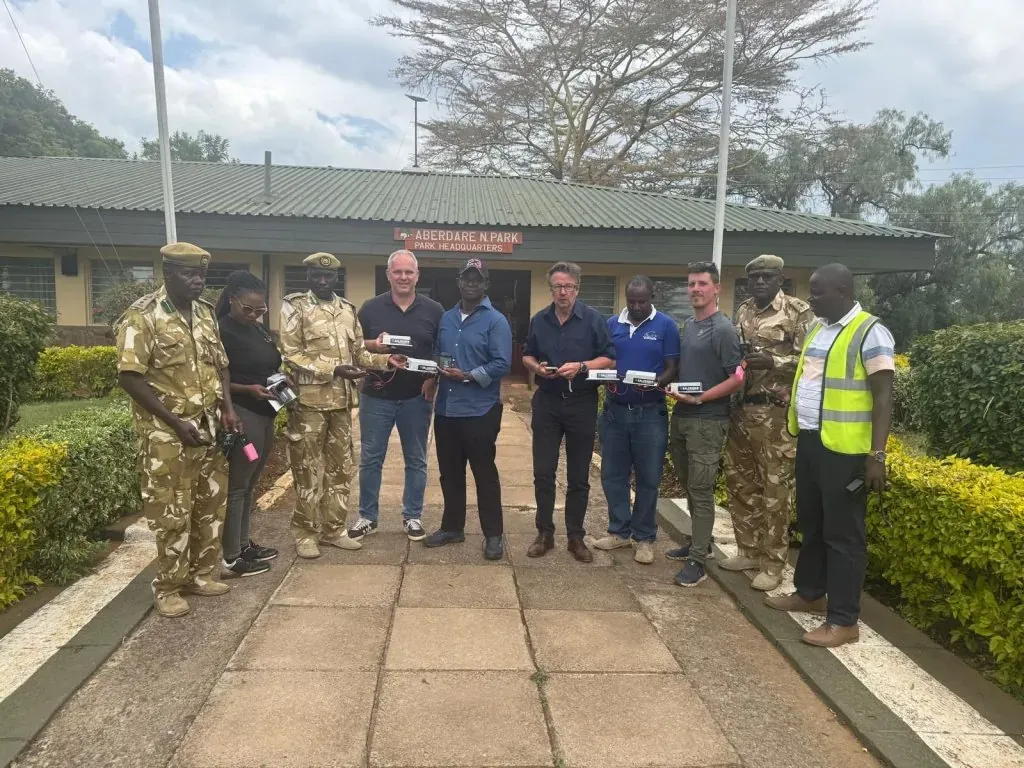
Together with the Kenya Wildlife Service and partners, baiond deployed a solar-powered sensor network across the protected areas.
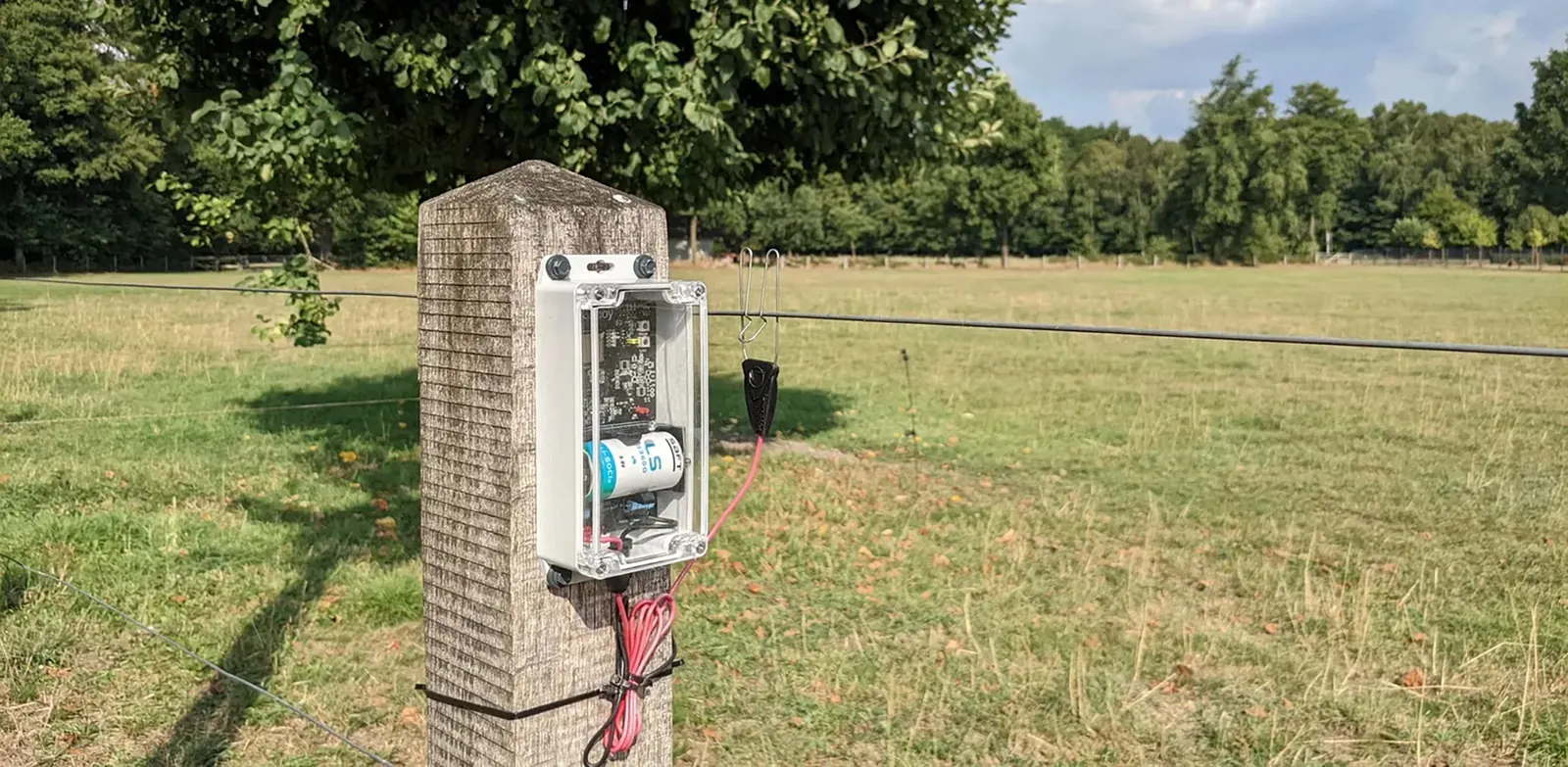
- Fence: sensors along the fence report the voltage section by section – a drop becomes an alert with the location
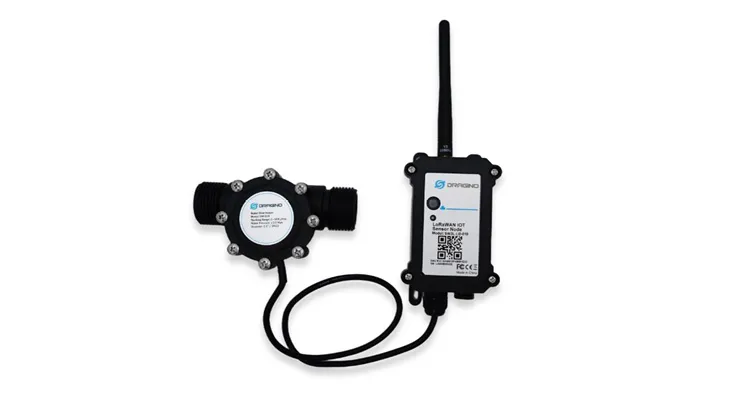
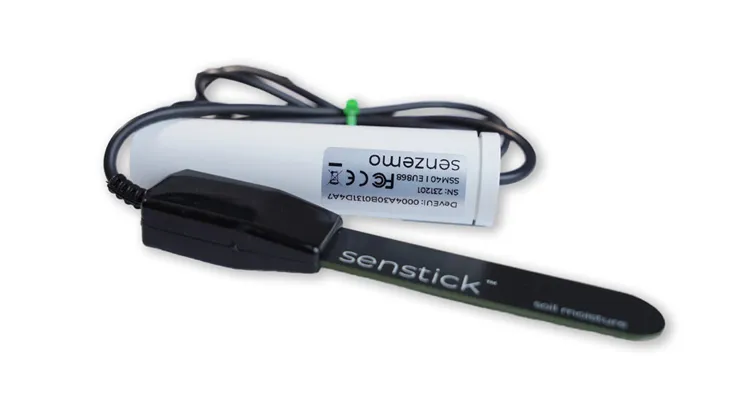
- Water and soil: water levels and soil salinity are tracked where the wildlife drinks and grazes
- Wildlife: AI cameras identify species and turn sightings into biodiversity statistics
- Satellite and forecast data complete the picture of the ecosystem
The network runs in remote regions, with prompt alerts and predictive insights for managing the ecosystem – conservation that can be measured.
How the data flows
Ask it the way they do
A question like the ones this team asks every day – and how baiond answers it.
Checked Electric fence sensor (custom-built) · LoRaWAN · Space System How did baiond know?
- Sensor
- baiond Gateway
- Space System
- AI agent
The sensor reports to the baiond Gateway, the Space System puts the reading in context (location, threshold, history), and the AI agent turns it into an answer.
Source: Electric fence sensor (custom-built) · LoRaWAN · Space System
- Voltage 5,900V
- Target ≥ 8,000V
- Section 180m
Yes. Fence voltage dropped to 5,900 V in the northwest section, significantly below the target range. The affected area is approximately 180 m long.
Inspect the northwest fence section for vegetation contact, damaged insulators or a broken wire.
Would you like me to investigate further?
Looking closer. This is what the data shows:
Possible reasons- The drop began at 19:52, right after the evening wind picked up.
- The two neighbouring sections hold their voltage, so the fault is local.
- The last inspection of this section was 6 weeks ago.
The sensor reports to the baiond Gateway, the Space System puts the reading in context (location, threshold, history), and the AI agent turns it into an answer.
- Sensor
- baiond Gateway
- Space System
- AI agent
Source: Electric fence sensor (custom-built) · LoRaWAN · Space System
Understood. I keep watching Reserve perimeter · Northwest and let you know if anything changes.
Related industries
-
-
-
-



Frequently asked questions
How do you monitor an electric fence that is hundreds of kilometres long?
Sensors along the fence measure the voltage section by section and send it by radio to a solar-powered gateway. When the voltage drops, baiond reports which section is affected, so the team drives to the right place.
Does the system work without mains power?
The sensors and gateways run on solar power and send by long-range radio, so the network works far from the grid.
A site like this one?
Tell us what you want to know about your building or grounds. We show you the sensors, the setup and what baiond would answer.
Request a consultation