Request a consultation
Sensor family

People Counting Sensors

People counters tell you how many visitors are in a room, at a door or on a trail, and how that compares with last week. Anonymous, per entrance, from the museum hall to the stadium gate.

People Counting
Protocols: LoRaWAN

Most sites know their visitor numbers from ticket sales or a guess. A counter at each entrance gives the real figure at regular intervals: how full the hall is, when the peak comes, which entrance carries the load. That is the number you staff checkouts, open a second gate or turn the ventilation up by.

The counters sit above a door or beside a path and report wirelessly to the baiond Gateway; no images leave the device. The Space System knows which counter belongs to which room, so a question like "Is the nave too full for the 11 o'clock service?" gets an answer with the count, the CO₂ and the trend. In a supermarket the same data opens the second checkout before the queue passes nine people.

Variants
7
Industries using it
14
Protocols
LoRaWAN
How the readings travel
Sensor baiond Gateway Your answer
Variants

Every People Counting variant, one platform.

Pick the variant that fits the place. Whatever you choose, the readings arrive in the same platform and answer the same questions.

Infrared people counter

Infrared people counter

Counts people at a door by their body heat, without a picture.

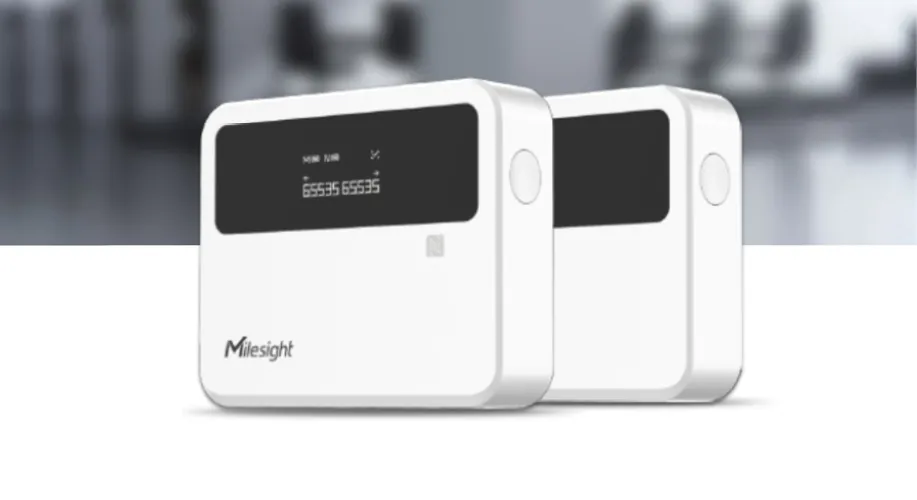
Mounted above an entrance or beside a path, it registers the heat of each person passing and counts in and out separately. It works indoors and outdoors and uses little power. Because it never records an image, it is anonymous by design.

Measures
Entries and exits per door
Typical use
Museum and church entrances, shop doors
Thermal imaging sensor

Thermal imaging sensor

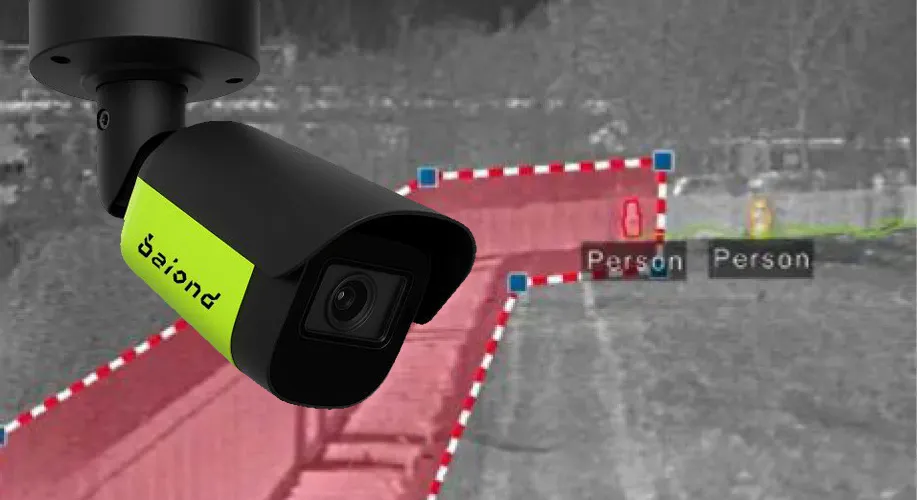
Tracks several people at once by heat, even in the dark.

A thermal sensor sees heat, not faces. It separates people walking side by side and follows how a crowd spreads through a space, in low light and changing weather. It suits busy zones where you need density, not just a door count, and costs more than a simple counter.

Measures
People per zone, density
Typical use
Concourses, foyers, busy halls
Pressure mat

Pressure mat

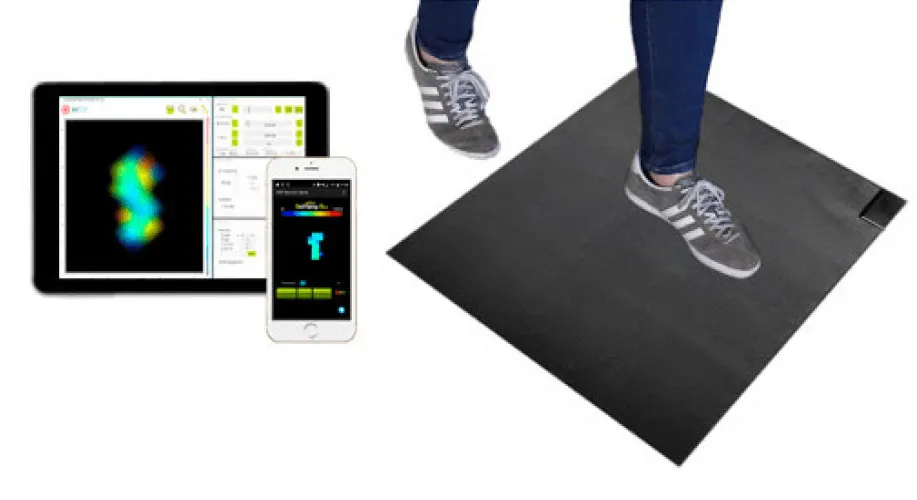
Registers footsteps under carpet or gravel.

The mat lies under flooring or a natural surface and counts each step on it. It is invisible to visitors and simple to install. It needs direct contact, so it fits moderate traffic at one controlled spot rather than a wide entrance.

Measures
Footsteps per zone
Typical use
Exhibition rooms, trail heads, single doors
Video analytics counter

Video analytics counter

AI camera

Counts, direction and dwell time from a camera, anonymised on the device.

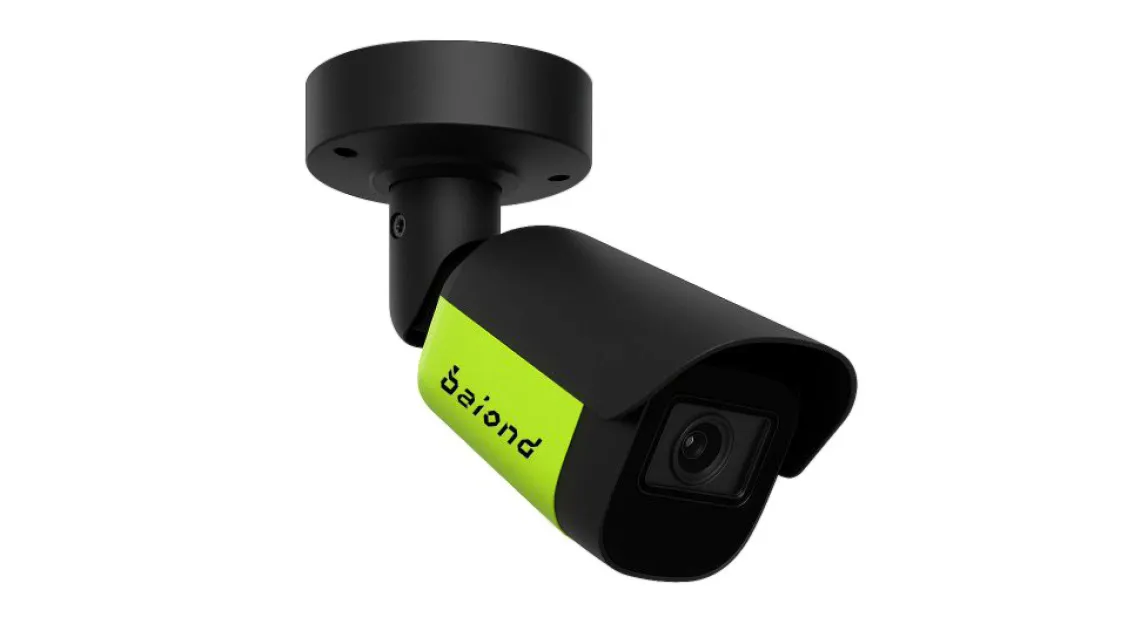
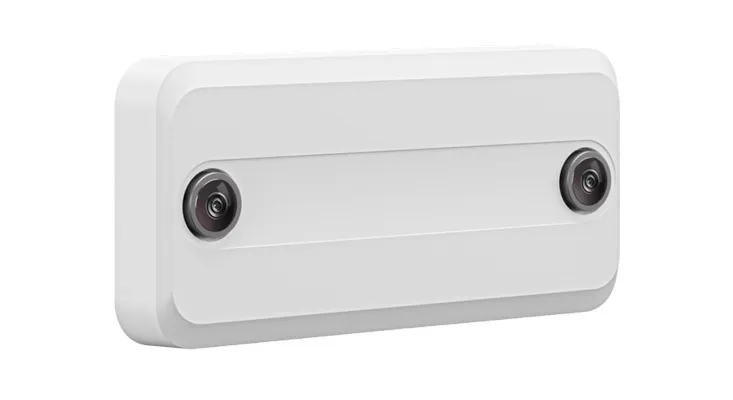
An AI camera counts people in a wide area and tells direction, group size and how long people stay. The baiond AI camera evaluates the image on the device and sends numbers only, so no footage is stored. It suits entrances, walkways and waiting zones where traffic swings through the day.

Measures
Counts, direction, dwell time
Typical use
Checkouts, gates, queues at a lift
Wi-Fi / Bluetooth sensor

Wi-Fi / Bluetooth sensor

Estimates visitor trends from phone signals, anonymously.

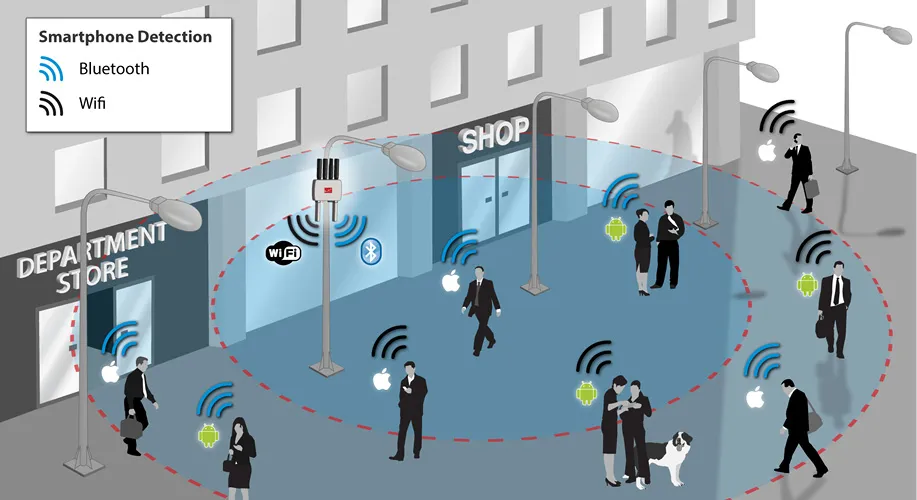
It picks up the signals phones send and turns them into an anonymous estimate of how many people are nearby and how they move between zones. Not every visitor carries an active device, so it gives a solid sample and trends over time rather than an exact count.

Measures
Visitor estimate, movement between zones
Typical use
Events, retail areas, transit
Time-of-flight sensor

Time-of-flight sensor

ToF

Counts precisely with light pulses, in any lighting.

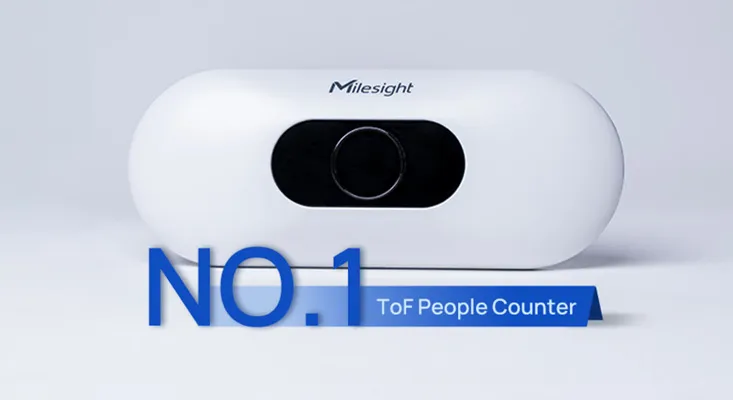
A ToF sensor sends light pulses and measures how long they take to return. That gives exact counts and flow direction at a door, whatever the lighting. It is compact and fast, a good fit for indoor entrances and covered outdoor zones.

Measures
Entries and exits, direction
Typical use
Store doors, meeting rooms, lifts
LiDAR sensor

LiDAR sensor

Maps a large open space with laser and follows people through it.

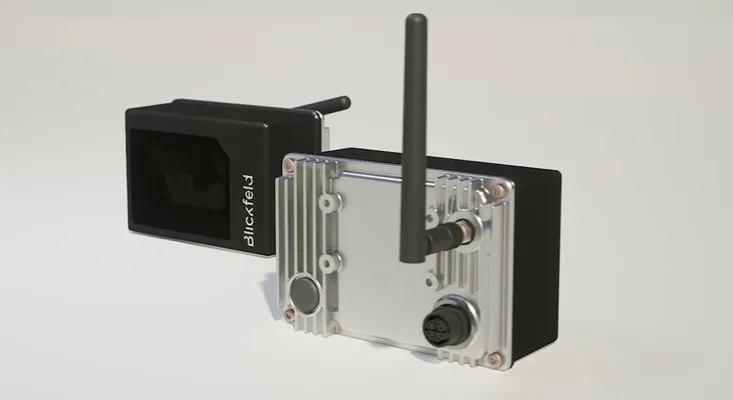
LiDAR scans a space with laser pulses and builds a 3D point cloud in which people show up as moving shapes, never as faces. It covers large or open areas with high accuracy and does not mind light or weather, which suits squares, venues and nature trails.

Measures
People and paths in 3D
Typical use
Squares, stadium approaches, trails
Under the hood

For technical readers

Every variant at a glance, with the protocols the readings travel on.

Protocols
  • LoRaWAN
People Counting: variants, what they measure, typical use
VariantMeasuresTypical use
Infrared people counter Entries and exits per door Museum and church entrances, shop doors
Thermal imaging sensor People per zone, density Concourses, foyers, busy halls
Pressure mat Footsteps per zone Exhibition rooms, trail heads, single doors
Video analytics counter Counts, direction, dwell time Checkouts, gates, queues at a lift
Wi-Fi / Bluetooth sensor Visitor estimate, movement between zones Events, retail areas, transit
Time-of-flight sensor Entries and exits, direction Store doors, meeting rooms, lifts
LiDAR sensor People and paths in 3D Squares, stadium approaches, trails

Data sheets (radio, power supply, protection class) for the variant that fits your site come with the quote. Request data sheets

Ask baiond

Ask what it measures.

A question this sensor answers, the way baiond answers: readings, reasons, a recommendation and the source.

baiond AI Your data. Real answers.
Demo · not connected to live sensorsDemo
Do I need to open a second checkout now?
You
Checked Occupancy sensor · People counter · AI Agents How did baiond know?
  1. Sensor
  2. baiond Gateway
  3. Space System
  4. AI agent

The sensor reports to the baiond Gateway, the Space System puts the reading in context (location, threshold, history), and the AI agent turns it into an answer.

Source: Occupancy sensor · People counter · AI Agents

  • Waiting 9
  • Target ≤ 4
  • Arrivals, last 15 min 52

Yes. There are 9 people in the checkout zone against a target of 4, and 52 visitors entered in the last 15 minutes, twice the usual late-afternoon rate. The queue is unlikely to clear on its own before 18:00.

baiond AI
Recommendation

Open checkout 2 now. baiond will tell you when the zone is back under four people.

Would you like me to investigate further?

Frequently asked questions

Frequently asked questions

Is people counting GDPR-compliant?

It can be set up in a privacy-friendly way: infrared, ToF and LiDAR counters see no faces at all, and the baiond AI camera evaluates the picture on the device and sends numbers only. The final GDPR assessment of your setup lies with your data protection officer.

Which counter do I need for my entrance?

For a normal door an infrared or ToF counter is enough. Wide entrances and crowds call for thermal or a camera; open squares and trails for LiDAR. We choose it with you on site.

Can I see how full a room is right now?

Yes. Counting in and out at every door gives the current occupancy per room, and baiond compares it with your limit and with the same hour last week.

Do I need cabling at the door?

Most counters run on battery and send by radio to the baiond Gateway. Cameras and LiDAR need power at the mounting point.

Next step

Which People Counting sensor fits your site?

Tell us the place and the question. We name the variant, the quantity and what it costs.

Request a quote
Ask baiond
baiond AI is typing