Request a consultation
Sensor family

Energy Sensors: meters, current, power, heat

Energy sensors show where your electricity and heat go, per building, floor or machine, updated at short intervals. You see the base load at night, the peak before it costs you and the device that draws more than it should.

Energy
Protocols: LoRaWANM-BusModbus

A monthly utility bill tells you what you spent, not where. Energy sensors close that gap: a smart meter on the main feed, clamp-on current sensors on the circuits that matter – cooling, ventilation, lighting – and baiond shows which part of the building uses what, at which hour.

The sensors send their readings wirelessly to the baiond Gateway, which also reads the meters your building already has. Say the night readings in a store show the refrigeration base load rising by 18 % within a month, and the cause turns out to be a worn door seal on a cold room. Instead of a line on next quarter’s invoice, it becomes a work order the same week.

Variants
8
Industries using it
13
Protocols
LoRaWAN · M-Bus · Modbus
How the readings travel
Sensor baiond Gateway Your answer
Variants

Every Energy variant, one platform.

Pick the variant that fits the place. Whatever you choose, the readings arrive in the same platform and answer the same questions.

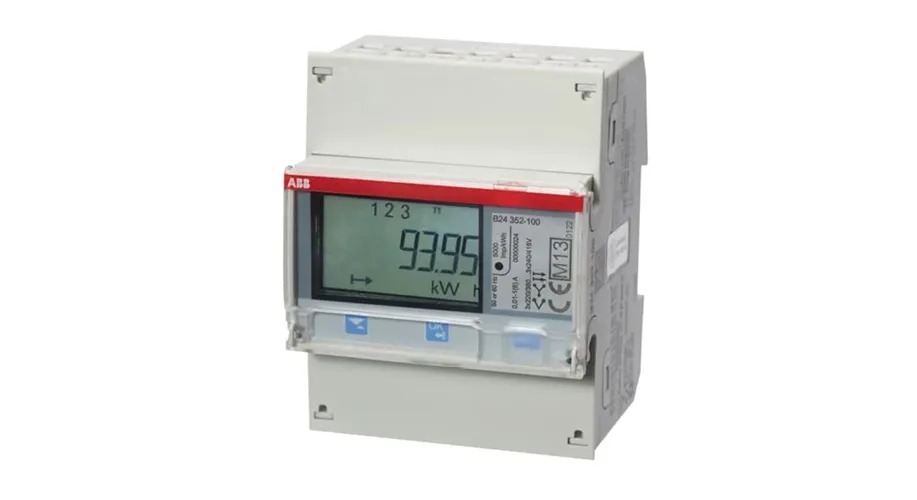
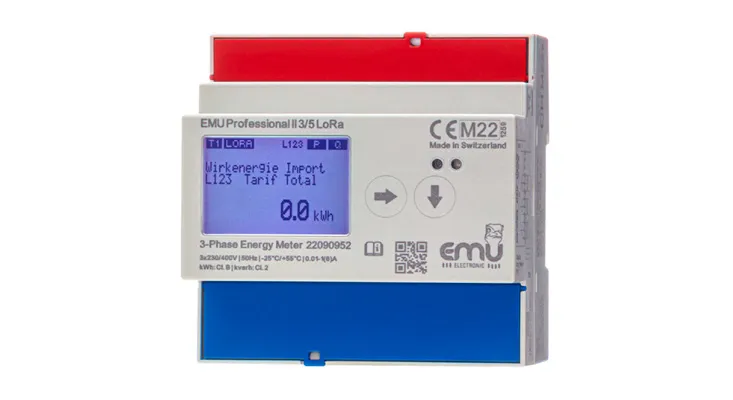
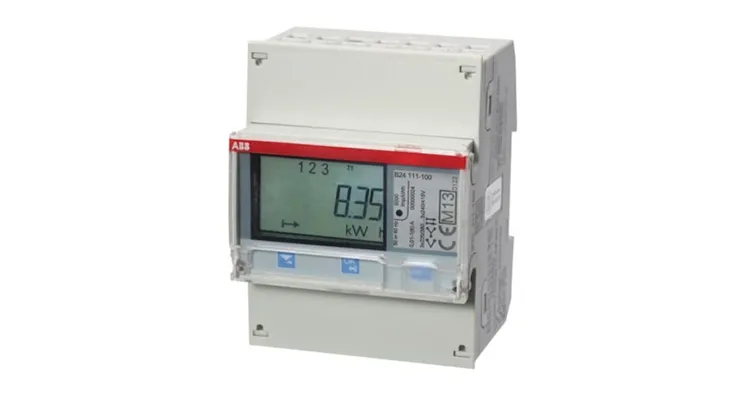
Smart energy meter

Smart energy meter

Electricity meter

Electricity use at short intervals, per building, room or machine.

A smart meter records consumption continuously instead of once a month. It shows usage patterns, peak demand and power quality, and reports automatically. It is the starting point for finding waste, forecasting costs and proving savings against a sustainability target.

Measures
kWh, kW, peak demand
Typical use
Consumption per building or tenant, energy reports
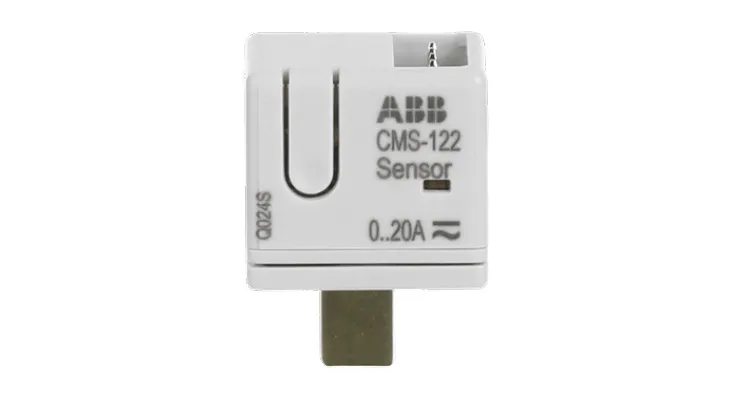
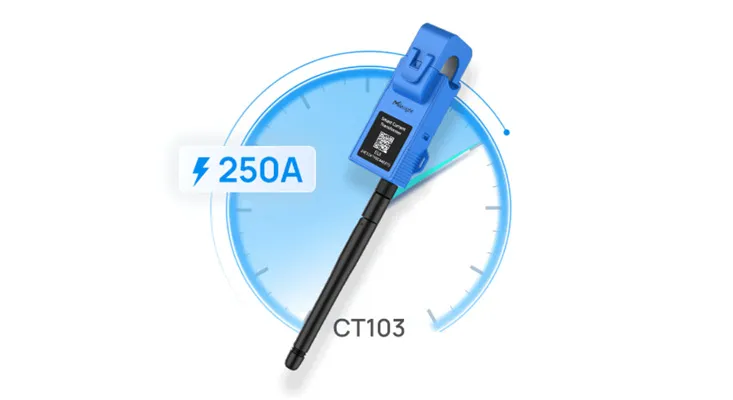
Current sensor

Current sensor

CT clamp

Load on a single circuit or device, clamped on without rewiring.

A current sensor measures the current through a cable, usually with a clamp around it. It shows the load of one device – a compressor, an air handling unit, a pump – and flags unusual draw before it turns into overheating or a breakdown. Because nothing is disconnected, it suits existing buildings.

Measures
Amperes per circuit
Typical use
Cooling, ventilation and pump monitoring
Voltage sensor

Voltage sensor

Over- and undervoltage before it damages equipment.

A voltage sensor checks that circuits stay within a safe range. Drops, surges and fluctuations are recorded with a time stamp, so a failing device can be matched to what happened on the supply. Combined with a current sensor it gives the real power drawn.

Measures
Volts, fluctuations
Typical use
Equipment protection, supply quality
Power sensor

Power sensor

Watt meter

The exact energy draw of one appliance or system.

A power sensor measures current and voltage together and calculates the active power a device really uses. That makes it the tool for an energy audit at device level: which fridge, which oven, which lighting circuit costs the most. Some models also record reactive and apparent power.

Measures
Active power (W), energy (kWh)
Typical use
Device-level audits, load balancing
Energy harvesting sensor

Energy harvesting sensor

Powers itself from light, motion or vibration – no battery changes.

These sensors take the little energy they need from their surroundings: light, motion or vibration. They measure conditions rather than consumption, and fit places that are hard to reach or have no power line. Fewer battery changes means less maintenance across a large site.

Measures
Depends on the sensor it powers
Typical use
Remote or off-grid measuring points
Power factor sensor

Power factor sensor

How much of the power you pay for does useful work.

A power factor sensor shows how efficiently power is turned into work. A low value means reactive loads – motors, older lighting – waste capacity, and utilities may charge for it. The reading tells you where compensation pays off.

Measures
Power factor (cos φ)
Typical use
Commercial and industrial installations
Thermal energy sensor

Thermal energy sensor

Heat flow sensor

Where heat escapes and how well heating and cooling perform.

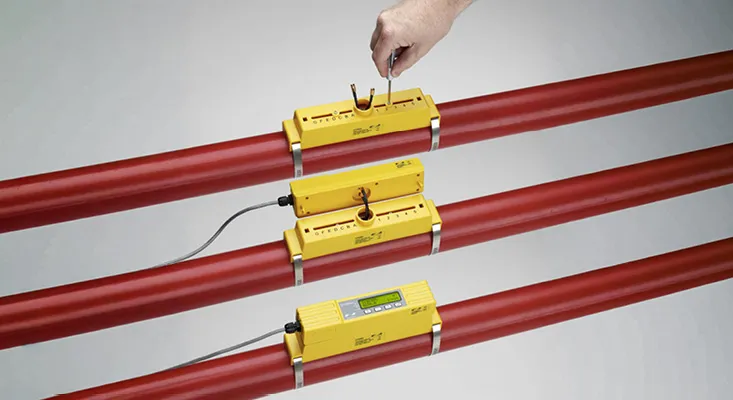
A thermal energy sensor measures heat flow through a surface or a heating and cooling circuit. It shows how well insulation holds, where energy is lost and whether the HVAC system delivers what it should. Together with temperature and occupancy data it is the basis for a retrofit decision.

Measures
Heat flow, thermal energy
Typical use
Insulation checks, heating and cooling efficiency
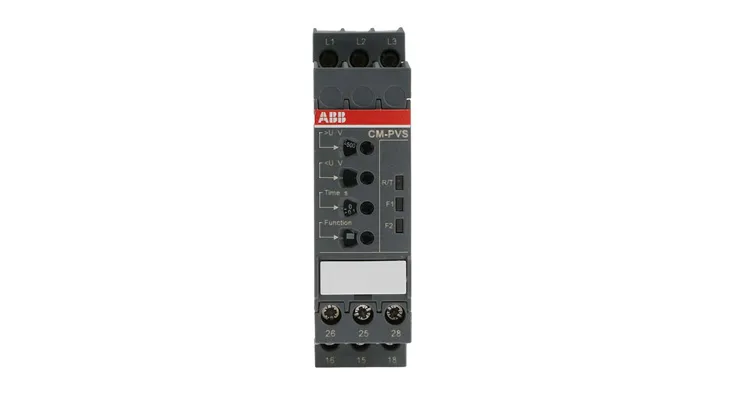
Phase detection sensor

Phase detection sensor

Phase loss, imbalance or reversal in three-phase systems.

In three-phase systems, motors and heavy equipment need the phases in the right order and balance. A phase detection sensor reports a missing phase, an imbalance or a reversed sequence promptly – ideally before a motor runs hot or a machine is damaged.

Measures
Phase sequence, balance
Typical use
Pumps, compressors, heavy equipment
Under the hood

For technical readers

Every variant at a glance, with the protocols the readings travel on.

Protocols
  • LoRaWAN
  • M-Bus
  • Modbus
Energy: variants, what they measure, typical use
VariantMeasuresTypical use
Smart energy meter kWh, kW, peak demand Consumption per building or tenant, energy reports

Current sensor Amperes per circuit Cooling, ventilation and pump monitoring
Voltage sensor Volts, fluctuations Equipment protection, supply quality
Power sensor Active power (W), energy (kWh) Device-level audits, load balancing
Energy harvesting sensor Depends on the sensor it powers Remote or off-grid measuring points
Power factor sensor Power factor (cos φ) Commercial and industrial installations
Thermal energy sensor Heat flow, thermal energy Insulation checks, heating and cooling efficiency
Phase detection sensor Phase sequence, balance Pumps, compressors, heavy equipment

Data sheets (radio, power supply, protection class) for the variant that fits your site come with the quote. Request data sheets

Ask baiond

Ask what it measures.

A question this sensor answers, the way baiond answers: readings, reasons, a recommendation and the source.

baiond AI Your data. Real answers.
Demo · not connected to live sensorsDemo
Why was our consumption so high over the weekend when the building was closed?
You
Checked Smart meter · BMS via baiond Gateway · Space System How did baiond know?
  1. Sensor
  2. baiond Gateway
  3. Space System
  4. AI agent

The sensor reports to the baiond Gateway, the Space System puts the reading in context (location, threshold, history), and the AI agent turns it into an answer.

Source: Smart meter · BMS via baiond Gateway · Space System

  • Base load Sat/Sun 48kW
  • Usual weekend 19kW
  • Extra energy 1390kWh

The base load ran at 48 kW from Friday 18:00 to Monday 06:00 instead of the usual 19 kW. That is 1,390 kWh more than a normal weekend, and 85 % of it sits on the ventilation and chiller circuits.

baiond AI
Recommendation

Reset the ventilation override for floors 2–4 and add a rule: an override ends at 20:00 unless someone confirms it. I can flag any weekend base load above 25 kW from now on.

Would you like me to investigate further?

Frequently asked questions

Frequently asked questions

Do I need new meters, or can baiond read the ones I have?

In most buildings the existing meters stay. The baiond Gateway reads them over the building’s own protocols, and wireless sensors fill the gaps where no meter exists yet.

Does installing a current sensor mean switching off the power?

Clamp-on current sensors are placed around the cable, so nothing is disconnected. An electrician still fits them in the distribution board.

How do I find out why consumption is high at night?

Ask baiond. It compares the night base load with the usual value, splits it by circuit and names the systems still running, for example ventilation on a weekday schedule.

Can the readings go into our ESG report?

Yes, as a data source. baiond keeps the readings per building and period, so the report can draw on measured consumption instead of estimates. Exports and dashboards come from the same data.

Next step

Which Energy sensor fits your site?

Tell us the place and the question. We name the variant, the quantity and what it costs.

Request a quote
Ask baiond
baiond AI is typing