Heritage & Sacred Spaces: preserve the fabric, welcome the visitors
Continuously monitor indoor climate, humidity, cracks and visitor flows in historic buildings instead of spot checks. A data basis for preservation and grants.

Different sites, the same questions.
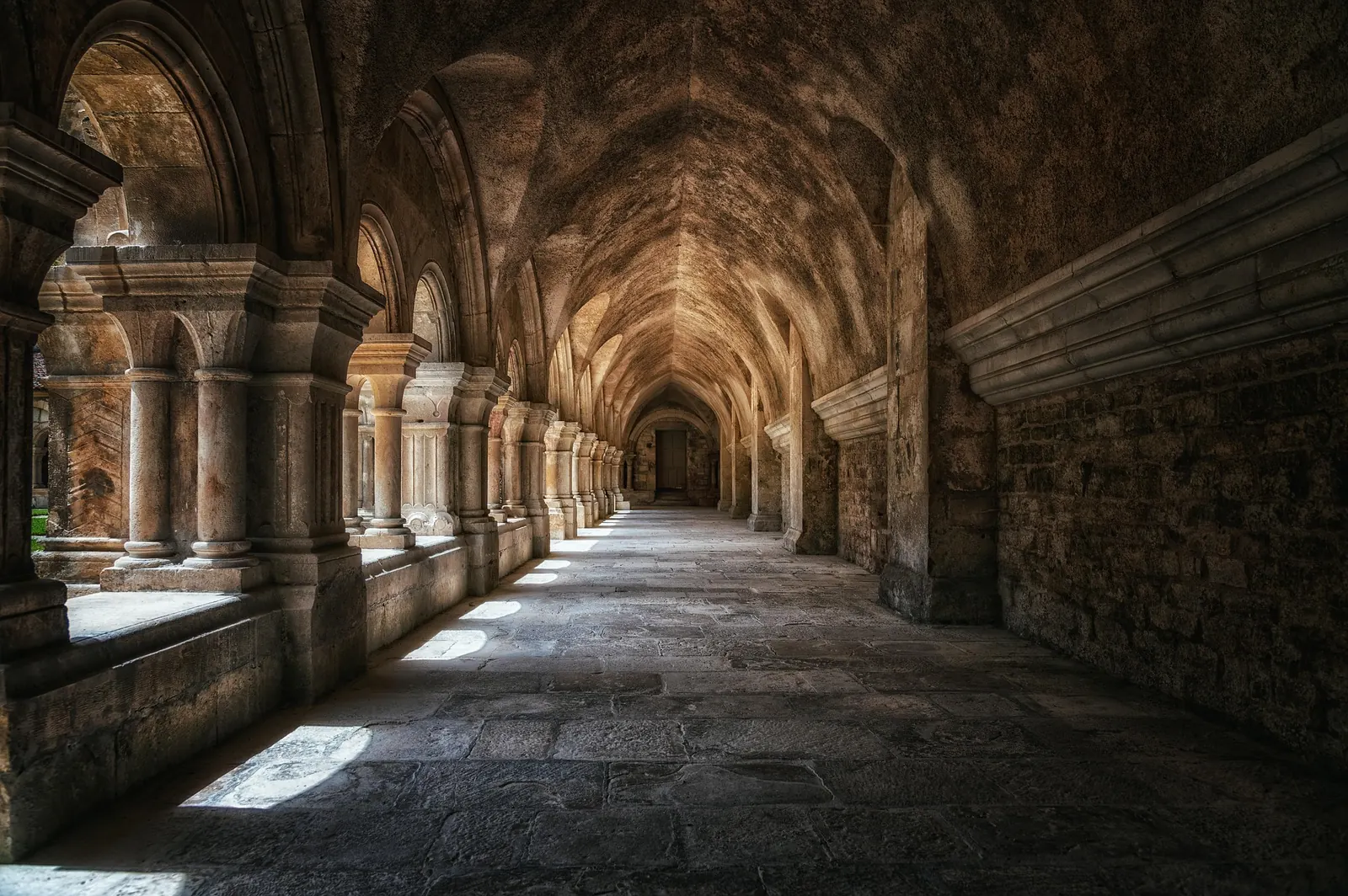
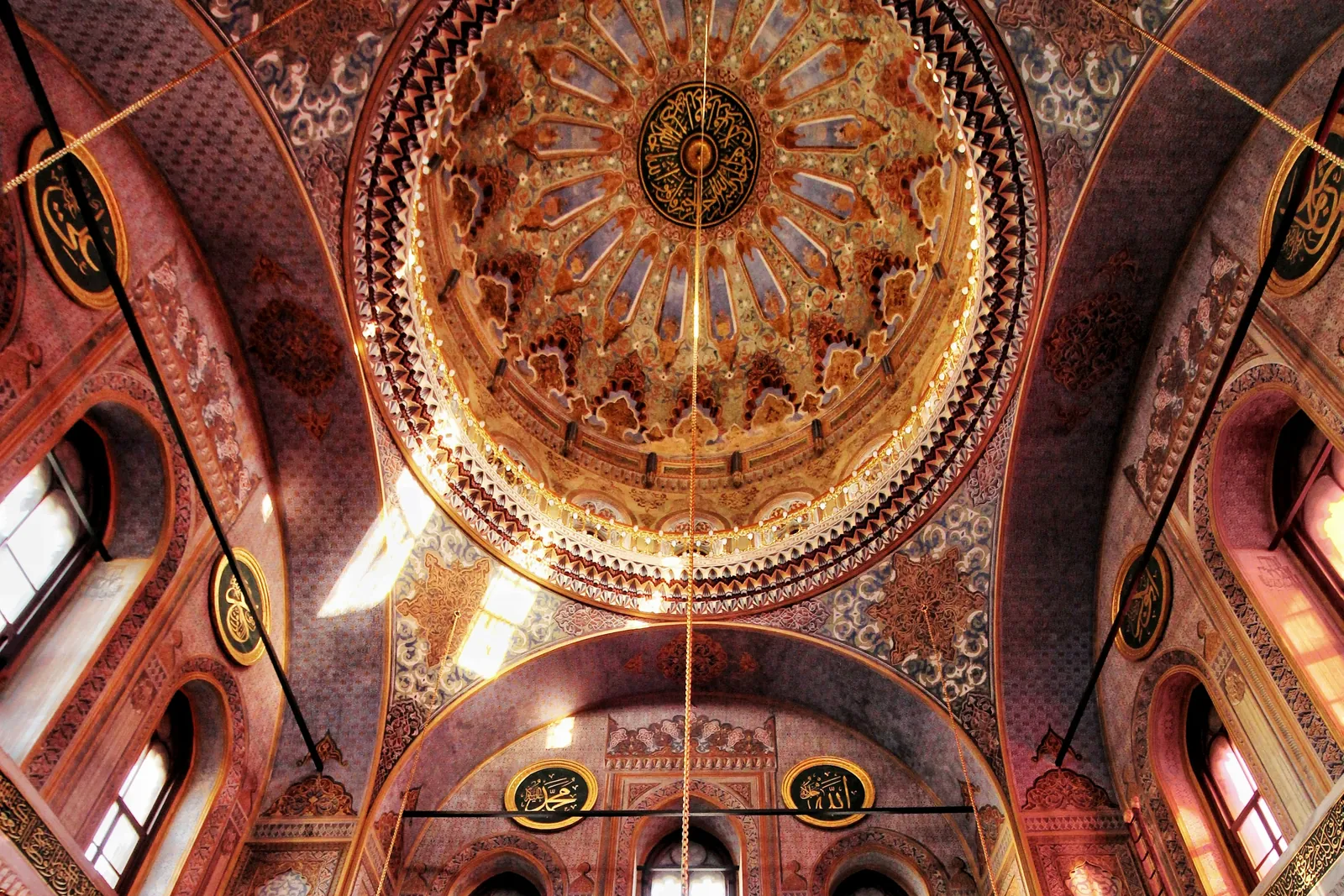
Whoever looks after a church, a palace, a mosque or a museum looks after a building that was never meant to be measured. Its walls breathe with the seasons, its rooms fill and empty with services, concerts and visitors, and the things that suffer first, the organ, the frescoes, the tilework, the archive, do so quietly. A crack is checked when someone is on a ladder; humidity is known from the day the conservator came by; the heating runs on a timer set years ago.
The questions are the same in every one of these buildings. Is the crack on the north wall still moving? Is the climate around the organ, the panelling or the collection inside the range the restorer asked for? How many people were in the hall on Friday, and what did that do to the air? Can we heat less without harming the fabric? And, every time a grant or a permit is due: can we prove the condition of the building for the last twelve months?
baiond answers these questions with small wireless sensors placed where the building is sensitive: crack gauges on the masonry, climate sensors at the organ, behind the altar, in the crypt and the archive, anonymous counters at the doors, a meter on the energy and the water. Everything arrives on one platform through the baiond Gateway, without a cable through a historic wall. The parish office, the building department or the trustees see the whole building on a phone, get a message the day a value leaves its range, and export the record for the heritage authority in a few clicks. Ask what has changed since the last inspection, and the answer comes with the readings and their source.
Pick your floor.
Every page speaks the language of the people who run the site: their questions, their sensors, their thresholds.
-
-

-


Questions from this category.
One situation per industry, answered the way baiond answers: the readings, the reasons, a recommendation and the source.
Checked Crack + climate sensors · baiond Gateway · Space System How did baiond know?
- Sensor
- baiond Gateway
- Space System
- AI agent
The sensor reports to the baiond Gateway, the Space System puts the reading in context (location, threshold, history), and the AI agent turns it into an answer.
Source: Crack + climate sensors · baiond Gateway · Space System
- Crack width 0.8mm
- Crypt humidity 58%
- CO₂ crypt 620ppm
Yes, all values are stable. The crack sensor reads a constant 0.8 mm with no movement for 30 days. The crypt is at 14.2 °C and 58 % humidity, inside the ideal range for historic frescoes (50–60 %), and ventilation is good at 620 ppm CO₂.
Maintain regular monitoring. No action needed.
Would you like me to investigate further?
Looking closer. This is what the data shows:
Possible reasons- The crack has not responded to the last two frost nights; the masonry appears settled.
- Crypt humidity has held between 55 and 59 % since the ventilation schedule was changed in March.
- No service or event in the crypt in the last 48 hours, so the readings are the building's own.
The sensor reports to the baiond Gateway, the Space System puts the reading in context (location, threshold, history), and the AI agent turns it into an answer.
- Sensor
- baiond Gateway
- Space System
- AI agent
Source: Crack + climate sensors · baiond Gateway · Space System
Understood. I keep watching Parish church · North facade + crypt and let you know if anything changes.
Checked Humidity + crack sensors · baiond Gateway · Space System How did baiond know?
- Sensor
- baiond Gateway
- Space System
- AI agent
The sensor reports to the baiond Gateway, the Space System puts the reading in context (location, threshold, history), and the AI agent turns it into an answer.
Source: Humidity + crack sensors · baiond Gateway · Space System
- Humidity 72.4%
- Crack movement 0.18mm
- Observed 7days
Yes. Relative humidity has risen to 72.4 %, exceeding the recommended threshold, while crack movement of 0.18 mm has been detected over the past 7 days. Prolonged moisture exposure may accelerate material deterioration in the affected area.
Inspect the affected section, reduce indoor humidity, and schedule a structural assessment. Continue enhanced monitoring until values return to the normal range.
Would you like me to investigate further?
Looking closer. This is what the data shows:
Possible reasons- Humidity climbed after three days of rain; the north wall dries slowest.
- Crack movement correlates with the humidity peaks, not with temperature.
- No change in visitor numbers or ventilation schedule during the period.
The sensor reports to the baiond Gateway, the Space System puts the reading in context (location, threshold, history), and the AI agent turns it into an answer.
- Sensor
- baiond Gateway
- Space System
- AI agent
Source: Humidity + crack sensors · baiond Gateway · Space System
Understood. I keep watching Nave · North wall, bay 3 and let you know if anything changes.
Checked Crack + climate sensors · baiond Gateway · Space System How did baiond know?
- Sensor
- baiond Gateway
- Space System
- AI agent
The sensor reports to the baiond Gateway, the Space System puts the reading in context (location, threshold, history), and the AI agent turns it into an answer.
Source: Crack + climate sensors · baiond Gateway · Space System
- Crack width 0.8mm
- Hall humidity 52%
- CO₂ 580ppm
Yes, all parameters are stable and within safety limits. The crack sensor reads a constant 0.8 mm with no movement for 30 days. The prayer hall is at 22.4 °C and 52 % humidity, inside the ideal range for historic woodwork, tilework and carpets (45–55 %), and CO₂ is at 580 ppm, pre-conditioned for the incoming Jumu'ah peak.
Maintain regular monitoring and automated demand-driven ventilation.
Would you like me to investigate further?
Looking closer. This is what the data shows:
Possible reasons- The main wall has shown no movement through the last four weeks, including two nights below −5 °C.
- Ventilation has been running at the pre-prayer stage since 07:30, as set for Fridays.
- The entrance counter shows 40 people so far; the hall is still ahead of the crowd.
The sensor reports to the baiond Gateway, the Space System puts the reading in context (location, threshold, history), and the AI agent turns it into an answer.
- Sensor
- baiond Gateway
- Space System
- AI agent
Source: Crack + climate sensors · baiond Gateway · Space System
Understood. I keep watching Grand mosque · Main wall + prayer hall and let you know if anything changes.
Answers are generated by AI, may contain mistakes and use example values. Please don’t enter personal data. Privacy
Proof from the field
-
Hofburg Congress Center Vienna
Congresses, balls and conferences in the halls of Vienna's former imperial palace: baiond counts the guests per hall as they come and go, alerts the team at the capacity limit and documents how people move.
In use at and in partnership with


Your industry guide
One PDF for your industry: the questions baiond answers there, the sensors that measure it and what changes on site.
What operators ask before they start.
Does the heritage authority have to approve the sensors?
Usually the positions are agreed with the authority or your conservator, and that is a short conversation: the sensors are wireless, battery-powered and fixed the way a plaster tell-tale is, so nothing is cabled or drilled through the fabric. Most authorities welcome continuous data, because it replaces the snapshot of an inspection with a record.
Which sensors does a historic building typically need?
Crack sensors on the masonry where movement is suspected, climate sensors for temperature and humidity in the sensitive rooms, CO₂ in the halls that fill up, an anonymous people counter at the entrance, and the energy and water meters. A parish church starts with five to eight sensors; a palace or a large mosque with twenty or more. The Space System groups them by room, wing and building.
Can baiond help with grant applications and condition reports?
Yes. Every reading is stored with time and place, and you export any period as a PDF or a table with the agreed ranges and the events marked. Funders and authorities get a year of evidence instead of a visit; you get an application that takes far less time.
We have several buildings across the diocese or the foundation. Does that work?
That is what the platform is built for. Every church, palace or mosque is a site in the Space System with its own rooms, sensors and ranges; the building department sees all of them on one screen and asks one question across the portfolio: which building has a value out of range today? Each parish or caretaker still sees only their own.
Ready to give your data a voice?
Thirty minutes with the baiond team about your site and your questions. No slides.
Request a consultation