Visual Classification: AI that understands what it sees
Your cameras already see what happens on the street, at the entrance or along the fence. baiond recognises what passes and keeps only the numbers: how many, which kind, which direction, how fast – no faces, no number plates.

In one sentence
Visual Classification is the baiond function that turns camera images into counts and events – vehicles, cyclists, people, animals, plant condition – without storing the images themselves.
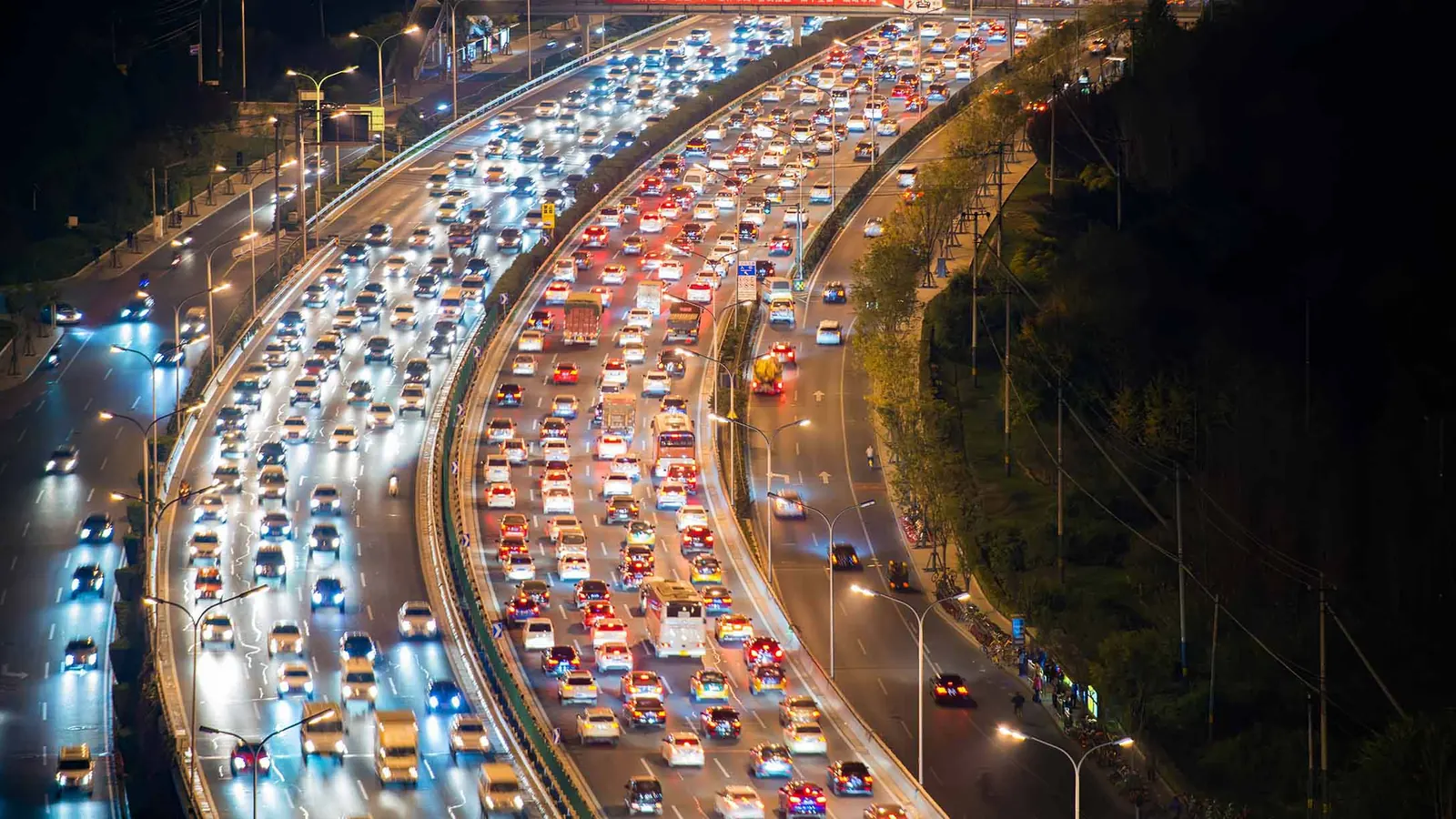
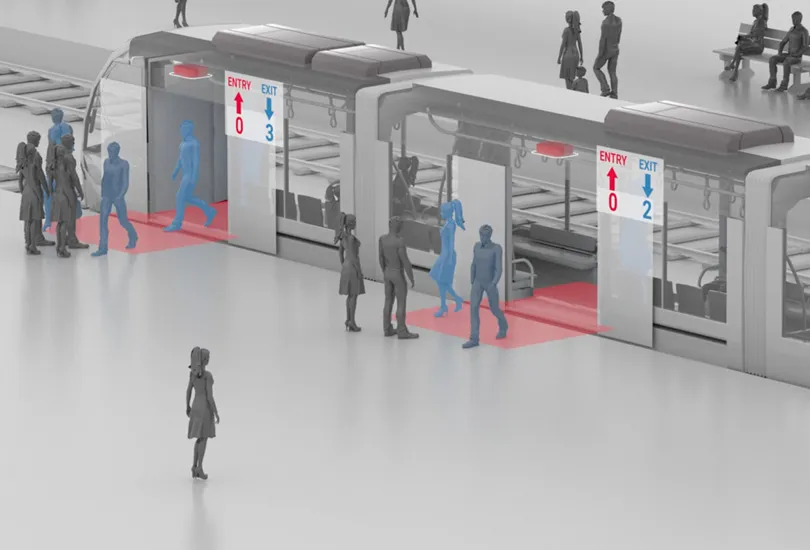
Watching camera feeds is a full-time job nobody has time for. Visual Classification does the watching: AI models recognise what moves through the picture – cars, trucks, cyclists, pedestrians, animals – and record it as counts, directions, speeds and events.
The analysis runs close to the camera. What reaches baiond is a number, not a picture: 214 cyclists an hour, a queue of 40 people, an animal at the fence at 02:10. That keeps the data useful and personal data out of it. The counts land in the Space System next to every other reading, so the AI agents can combine them with weather, energy or occupancy.
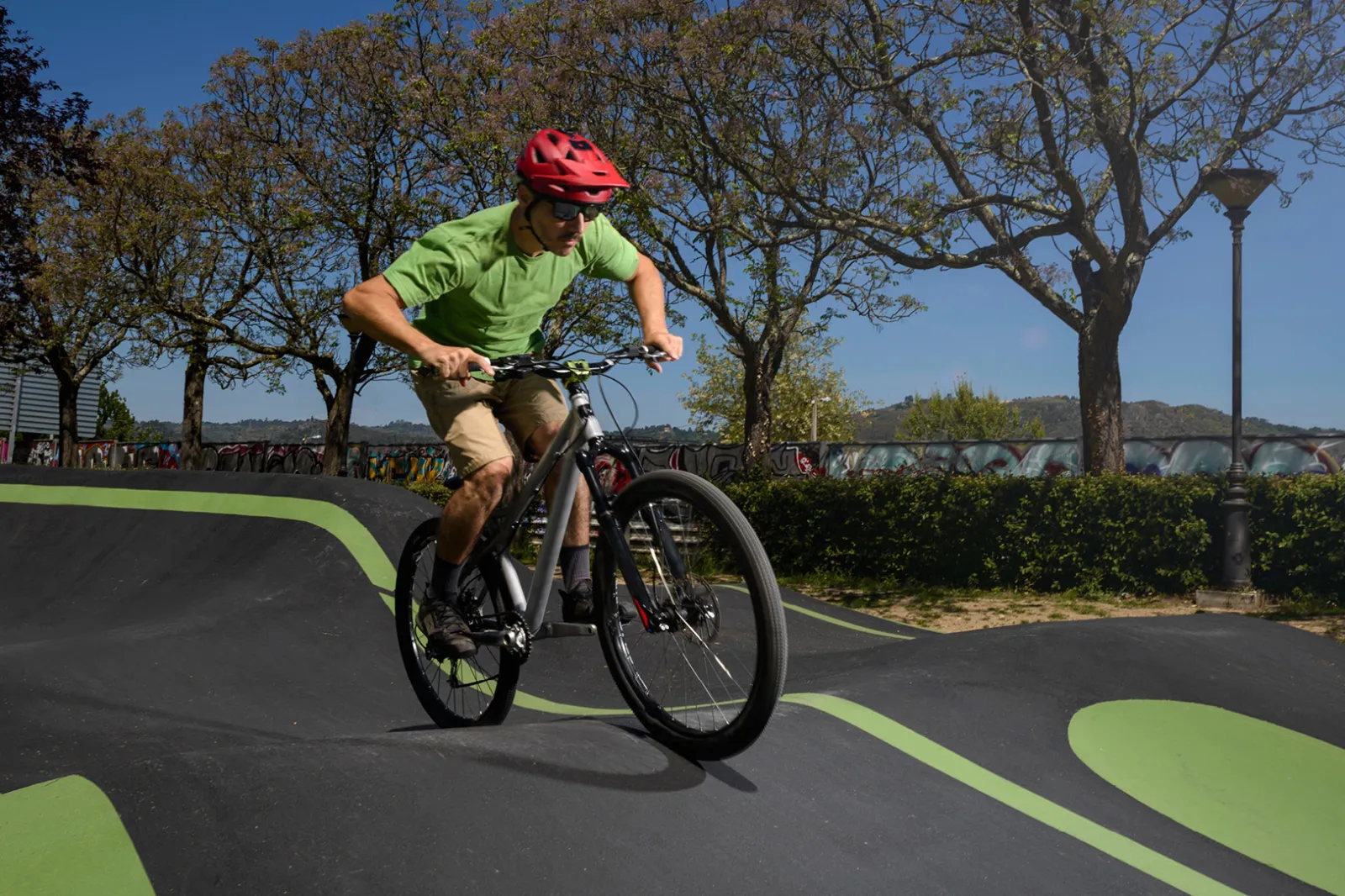
For a city, that means knowing that close passes at the school crossing have more than doubled this month, mostly at 07:45 – and being able to act on it before an accident does.
What changes for you.
-
Numbers instead of footage
You get counts, flows and events you can act on, not hours of video nobody watches.
-
Privacy built in
Images are analysed and discarded; baiond stores no faces and no number plates, only what was counted.
-
Cameras you already have
Existing cameras become sensors, and their counts sit next to temperature, energy and weather in one answer.
See it answer.
A question only this function makes answerable, answered the way baiond answers: readings, reasons, a recommendation and the source.
Checked Traffic camera · Visual Classification · Space System How did baiond know?
- Sensor
- baiond Gateway
- Space System
- AI agent
The sensor reports to the baiond Gateway, the Space System puts the reading in context (location, threshold, history), and the AI agent turns it into an answer.
Source: Traffic camera · Visual Classification · Space System
- Close passes / week 23
- Last month / week 9
- Peak time 07:45
Yes, measurably. The camera counted 23 close passes between cars and cyclists this week, against 9 a week last month, most of them around 07:45. Only counts and paths are stored – no images, no faces, no number plates.
Raise it with the traffic department and ask for a temporary 30 km/h limit or a crossing guard between 07:30 and 08:00. baiond reports whether the count drops afterwards.
Shall I break the count down by weekday?
Looking closer. This is what the data shows:
Possible reasons- A diversion since the start of the month sends more cars past the school
- The morning school run and the commuter peak now overlap at 07:45
- Cyclists are pushed into the lane where the parking bay narrows the road
The sensor reports to the baiond Gateway, the Space System puts the reading in context (location, threshold, history), and the AI agent turns it into an answer.
- Sensor
- baiond Gateway
- Space System
- AI agent
Source: Traffic camera · Visual Classification · Space System
Understood. I keep watching School crossing · Camera north and let you know if anything changes.
For technical readers
Protocols, data model and integration, for the colleague who signs off on the architecture.
- RTSP
- ONVIF
- MQTT
Detection
AI models classify objects and movements:
- Vehicles (cars, trucks, buses), cyclists, pedestrians
- Wildlife and livestock
- Plant condition and infrastructure
Outputs are counts per class, direction and zone, speeds, dwell times, queue lengths and events (a line crossed, a zone entered).
Privacy
Detection runs on the edge, at or next to the camera. Only the results – counts, trajectories, events – are sent to baiond. No video and no images are stored, no faces or number plates are recognised.
Cameras
Visual Classification works with many camera sources: existing IP cameras on site as well as dedicated traffic and wildlife cameras. Zones, counting lines and classes are configured per camera.
Integration
Results arrive in the Space System like any sensor reading, with time and place. Graph Builder charts them, AI agents combine them with weather or occupancy, and thresholds trigger notifications.
One station in the data flow.
Related industries
Where this function carries the answer.
-
-
-

-


Related sensors
The sensor families that feed it most often.



Ready to give your data a voice?
Thirty minutes with the baiond team about your site and your questions. No slides.
Request a consultation