Request a consultation
Sensor family

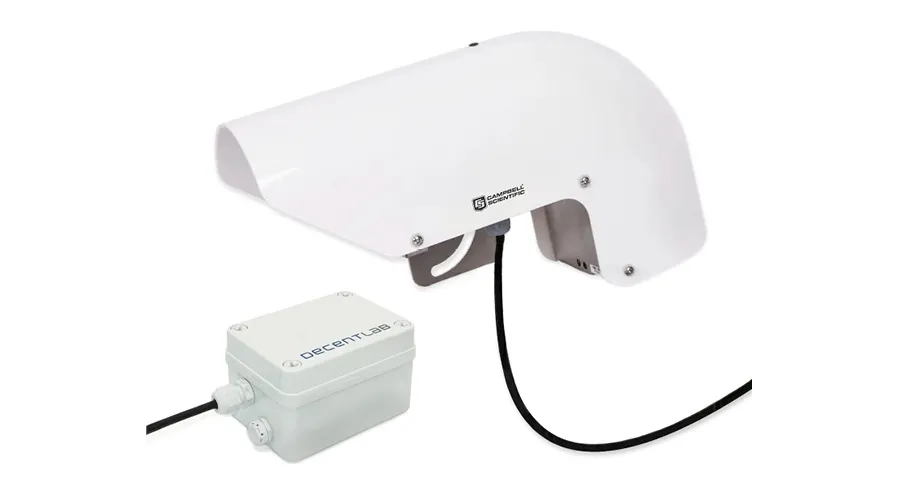
Humidity Sensors for rooms, facades and building parts

Humidity sensors show when air turns damp enough for mould, condensation or warped wood, well before a stain appears on the wall. They pay off in churches, archives, stores and anywhere materials, stock or health depend on a steady climate.

Humidity
Protocols: LoRaWAN

Wrong humidity rarely announces itself. The organ goes out of tune, the vaulted cellar smells musty, a corner behind the shelving turns grey. A humidity sensor records the relative humidity at regular intervals, and together with the temperature baiond works out the dew point: the moment the air starts to leave water on the coldest surface.

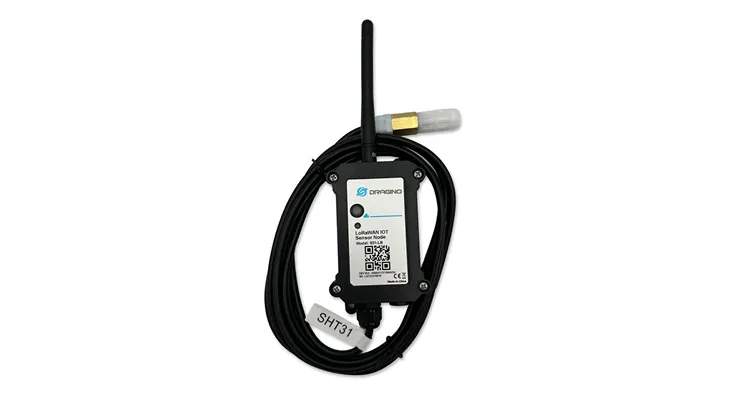
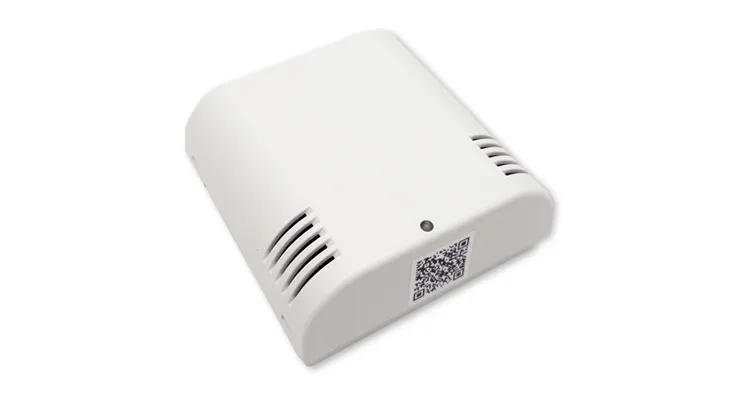
The sensors are small, run on battery and send by radio to the baiond Gateway, so they can sit on a pillar or in a display case without a cable. In a church, that turns a question like "Is the humidity at the organ all right for the 9 o'clock service?" into an answer: 38 % against the 50–60 % agreed with the organ builder, for 14 hours now — the heating has dried the air.

Variants
6
Industries using it
16
Protocols
LoRaWAN
How the readings travel
Sensor baiond Gateway Your answer
Variants

Every Humidity variant, one platform.

Pick the variant that fits the place. Whatever you choose, the readings arrive in the same platform and answer the same questions.

Relative humidity sensor

Relative humidity sensor

RH sensor

How damp the air is compared with what it can hold — the standard reading against mould and damage.

Measures the moisture in the air as a percentage of the maximum it can hold at the current temperature. It is the most common humidity reading and the one most thresholds are written in: comfort, mould prevention, protection of wood, paper and paintings.

Measures
Relative humidity in %
Typical use
Churches, archives, offices, storage
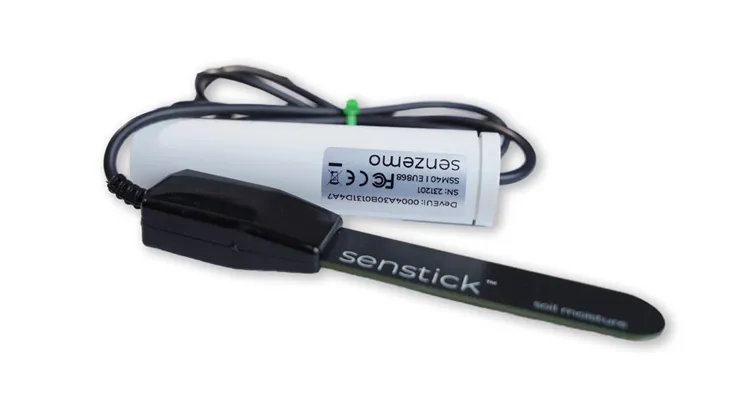
Temperature-humidity combo sensor

Temperature-humidity combo sensor

Temperature and humidity in one device — the pair every indoor-climate question needs.

Measures air temperature and relative humidity at the same point. Only the pair tells you whether a room is comfortable, whether condensation is coming and how heating affects the air. It is the most widely used indoor-climate sensor, in rooms, greenhouses and stables alike.

Measures
Air temperature in °C, relative humidity in %
Typical use
Rooms, greenhouses, stables, display cases
Dew point sensor

Dew point sensor

The temperature at which moisture condenses — the reading that predicts wet walls and corrosion.

Reports the temperature at which the air becomes saturated and water settles on surfaces. Where condensation is the real risk — cold walls, cellars, cold stores, machine rooms — the dew point is steadier and more telling than relative humidity alone.

Measures
Dew point in °C
Typical use
Cellars, cold stores, plant rooms
Absolute humidity sensor

Absolute humidity sensor

The actual amount of water in the air in grams per cubic metre, independent of temperature.

Measures how much water vapour a cubic metre of air really contains. Because the value does not change with temperature, it shows whether airing a room brings moisture in or takes it out, and suits precise drying or process control.

Measures
Water vapour in g/m³
Typical use
Airing decisions, drying, archives
Soil humidity sensor

Soil humidity sensor

Water vapour in the air spaces of the soil, for research and fine-grained climate models.

Measures the water vapour in the air pockets of the soil rather than the liquid water. It is used in research and detailed climate studies; for day-to-day irrigation the soil moisture sensor is the right choice.

Measures
Humidity of the soil air in %
Typical use
Research sites, reforestation studies
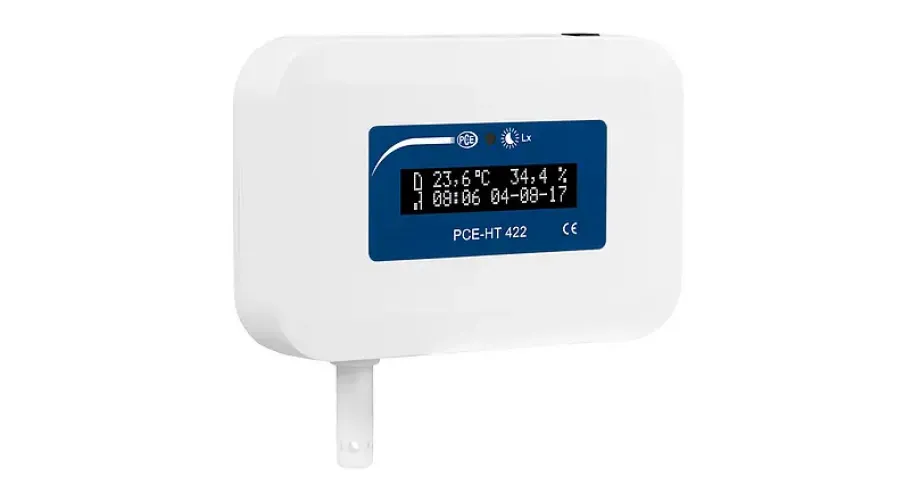
Hygrometer

Hygrometer

Analogue or digital

A humidity reading with its own display, for spaces where people check the value on the spot.

A stand-alone device that shows the humidity on a display, often with temperature too. Useful where staff or visitors should see the value on the spot, in a sacristy, a museum room or a storeroom. Wireless versions also send the reading to baiond.

Measures
Relative humidity in %, often temperature
Typical use
Sacristies, museum rooms, storerooms
Under the hood

For technical readers

Every variant at a glance, with the protocols the readings travel on.

Protocols
  • LoRaWAN
Humidity: variants, what they measure, typical use
VariantMeasuresTypical use
Relative humidity sensor Relative humidity in % Churches, archives, offices, storage
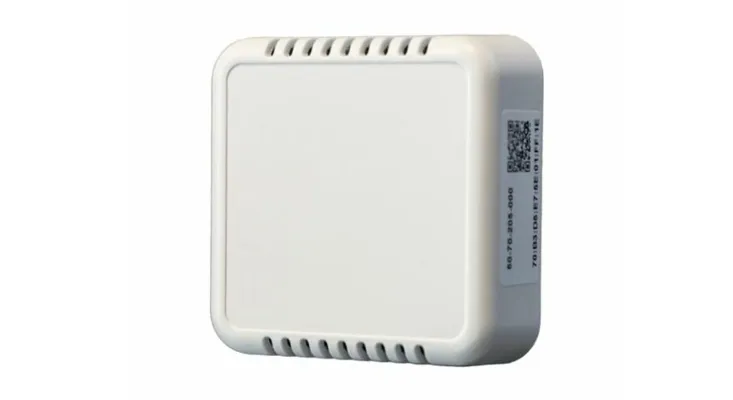
Temperature-humidity combo sensor Air temperature in °C, relative humidity in % Rooms, greenhouses, stables, display cases
Dew point sensor Dew point in °C Cellars, cold stores, plant rooms
Absolute humidity sensor Water vapour in g/m³ Airing decisions, drying, archives
Soil humidity sensor Humidity of the soil air in % Research sites, reforestation studies
Hygrometer Relative humidity in %, often temperature Sacristies, museum rooms, storerooms

Data sheets (radio, power supply, protection class) for the variant that fits your site come with the quote. Request data sheets

Ask baiond

Ask what it measures.

A question this sensor answers, the way baiond answers: readings, reasons, a recommendation and the source.

baiond AI Your data. Real answers.
Demo · not connected to live sensorsDemo
Is the humidity at the organ all right for the 9 o'clock service?
You
Checked Humidity sensor at the organ · baiond Gateway · Space System How did baiond know?
  1. Sensor
  2. baiond Gateway
  3. Space System
  4. AI agent

The sensor reports to the baiond Gateway, the Space System puts the reading in context (location, threshold, history), and the AI agent turns it into an answer.

Source: Humidity sensor at the organ · baiond Gateway · Space System

  • Organ loft 38%
  • Target 50–60%
  • Below since 14h

No. Humidity at the organ has fallen to 38 %, well below the 50–60 % agreed with your organ builder, and has been below the range for 14 hours. The wood is drying too fast, which risks the pipes going out of tune and the wind chest cracking.

baiond AI
Recommendation

Lower the loft heating by two degrees now and switch on the humidifier at the organ. Keep the portal closed until the service begins.

Would you like me to investigate further?

Frequently asked questions

Frequently asked questions

What humidity is right for an organ or wooden furnishings?

Organ builders and conservators usually agree a narrow band, often around 50–60 %, and above all no fast swings. Your organ builder or conservator sets the target; baiond keeps watching it and reports when it is left.

Can a humidity sensor warn me before mould appears?

It can give you early warning. Mould needs damp over days, not minutes. baiond reports when humidity stays high or the air nears its dew point, so you can air, heat or dehumidify in good time.

Should I air the room now or not?

That depends on how much water the outside air carries compared with the air inside. With a sensor indoors and one outdoors, baiond compares the two and tells you whether airing dries the room or makes it damper.

How many humidity sensors does a church or historic building need?

Usually one per zone that behaves differently: nave, organ loft, sacristy, crypt, plus one outdoors for comparison. We plan the positions with you on site.

Next step

Which Humidity sensor fits your site?

Tell us the place and the question. We name the variant, the quantity and what it costs.

Request a quote
Ask baiond
baiond AI is typing