Request a consultation
Sensor family

Traffic Sensors: count and classify vehicles

Traffic sensors count and classify what passes a road, a crossing or a cycle path: cars, trucks, bikes, pedestrians, their speed and the hour they come. The data behind signal timing, school-route safety and the air quality next to the road.

Traffic
Protocols: LoRaWAN

A traffic count once a year tells a city what happened on a Tuesday in May. Sensors on the road count every day: how many vehicles, which kind, how fast, and when the peak really comes. Planners see whether the new cycle lane is used, operators whether the crossing at the school gets busier at 07:45.

Radar and cameras sit on existing poles, loops and magnetic sensors in the road surface; the readings reach the baiond Gateway by radio or the existing network. The Space System places each sensor on its junction, so a question like "Is the crossing at the primary school getting more dangerous?" is answered with near misses per week, compared with last month.

Variants
7
Industries using it
3
Protocols
LoRaWAN
How the readings travel
Sensor baiond Gateway Your answer
Variants

Every Traffic variant, one platform.

Pick the variant that fits the place. Whatever you choose, the readings arrive in the same platform and answer the same questions.

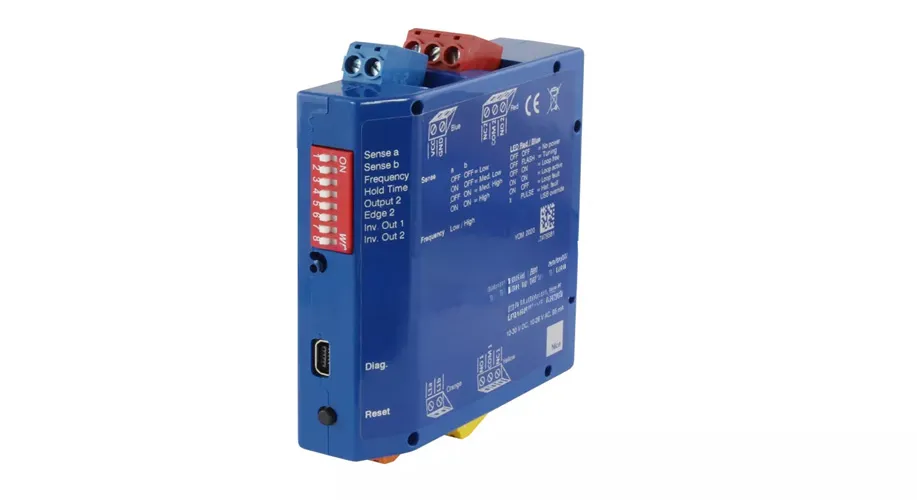
Inductive loop

Inductive loop

A loop in the road surface that feels every vehicle passing over it.

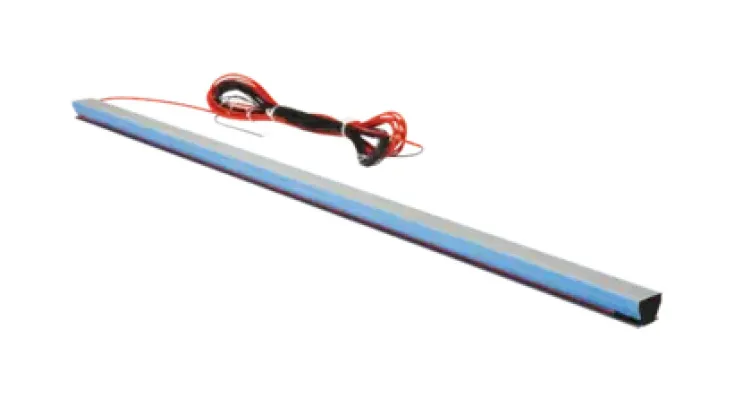
The loop sits in the asphalt and registers the metal of a vehicle as a change in its magnetic field. It counts very accurately and is the classic trigger for traffic lights. Installing or repairing it means cutting the road.

Measures
Vehicle count, presence
Typical use
Junctions, signal control
Radar traffic sensor

Radar traffic sensor

Measures speed and distance by radio waves, from the roadside.

Mounted on a pole or gantry, a radar sensor measures the speed, distance and presence of vehicles without touching the road. Rain, fog and darkness barely affect it, which makes it the steady choice for flow monitoring and speed displays.

Measures
Speed, count, gaps
Typical use
Through roads, school zones
Magnetic sensor

Magnetic sensor

Magnetometer

A small puck that notices vehicles by their magnetic footprint.

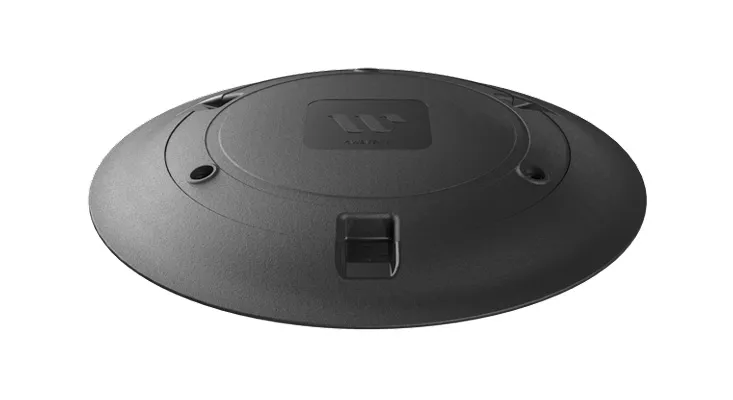
A magnetometer detects the disturbance a vehicle causes in the Earth's magnetic field. It is small, runs on little power and sits in the road or at the kerb. Cities use it for counting, simple classification and to show which parking bays are free.

Measures
Presence, count, parking occupancy
Typical use
Parking bays, side roads
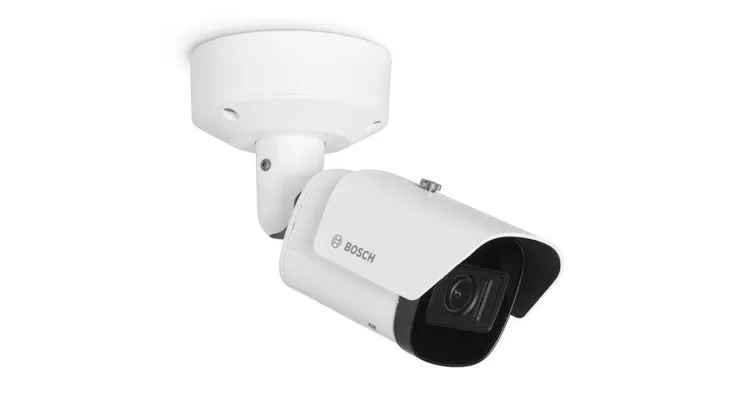
Video traffic sensor

Video traffic sensor

AI camera

Counts and tells apart cars, trucks, bikes and pedestrians.

A camera with image analysis classifies each road user, measures flow and queue length and flags near misses. The baiond AI camera does the analysis on the device and sends counts, not video. It needs a clear view and weatherproof mounting, but no road works.

Measures
Counts by type, speed, queues, near misses
Typical use
Crossings, cycle paths, junctions
Piezoelectric sensor

Piezoelectric sensor

Feels axle weight in the road to classify heavy traffic.

Laid under the surface, the piezo strip produces a signal under the weight of each axle. It counts, classifies by axle and weight and supplies the numbers for weight limits and the wear planning of roads and bridges.

Measures
Axles, weight class, count
Typical use
Bridges, access roads, heavy traffic
Bluetooth / Wi-Fi sensor

Bluetooth / Wi-Fi sensor

Measures travel times between two points, anonymously.

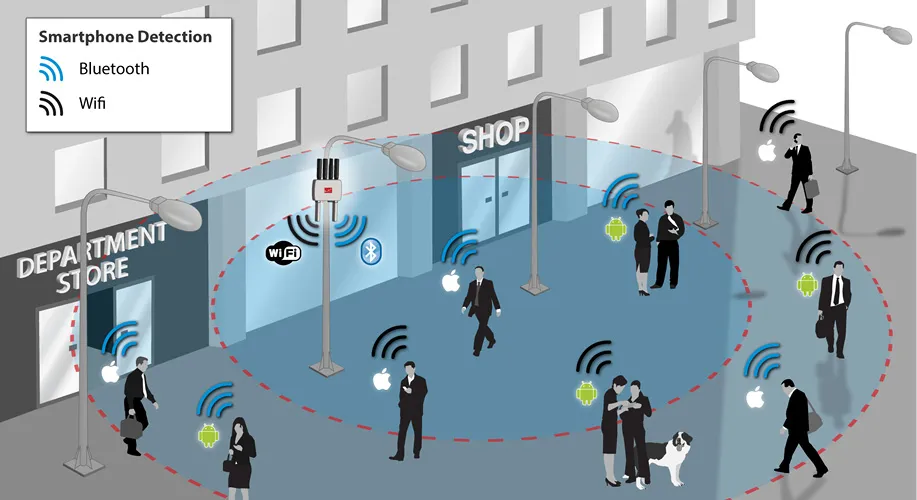
Two sensors along a route pick up the anonymised signals of devices in passing vehicles. The time between both points gives travel time and average speed, and over weeks the typical routes. It shows patterns, not individual trips.

Measures
Travel time, average speed
Typical use
Corridors, event traffic
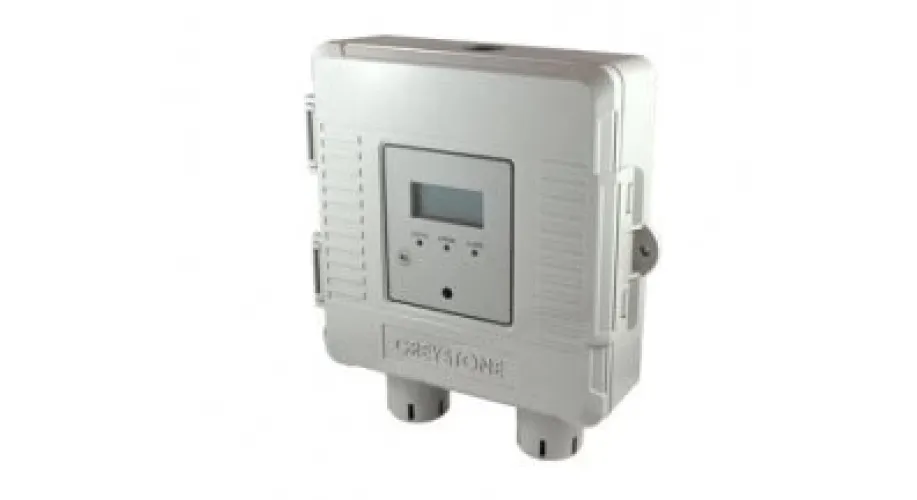
Traffic emission sensor

Traffic emission sensor

Measures the air next to the road: NOx, CO and particulates.

Placed at the roadside, it measures the pollutants traffic leaves behind. Together with the vehicle counts it shows whether the air follows the rush hour and whether a speed limit or a new route helps.

Measures
NOx, CO, particulate matter
Typical use
Busy streets, schools, low-emission zones
Under the hood

For technical readers

Every variant at a glance, with the protocols the readings travel on.

Protocols
  • LoRaWAN
Traffic: variants, what they measure, typical use
VariantMeasuresTypical use
Inductive loop Vehicle count, presence Junctions, signal control
Radar traffic sensor Speed, count, gaps Through roads, school zones
Magnetic sensor Presence, count, parking occupancy Parking bays, side roads
Video traffic sensor Counts by type, speed, queues, near misses Crossings, cycle paths, junctions
Piezoelectric sensor Axles, weight class, count Bridges, access roads, heavy traffic
Bluetooth / Wi-Fi sensor Travel time, average speed Corridors, event traffic
Traffic emission sensor NOx, CO, particulate matter Busy streets, schools, low-emission zones

Data sheets (radio, power supply, protection class) for the variant that fits your site come with the quote. Request data sheets

Ask baiond

Ask what it measures.

A question this sensor answers, the way baiond answers: readings, reasons, a recommendation and the source.

baiond AI Your data. Real answers.
Demo · not connected to live sensorsDemo
Is the crossing at the primary school getting more dangerous?
You
Checked Traffic camera · Visual Classification · Space System How did baiond know?
  1. Sensor
  2. baiond Gateway
  3. Space System
  4. AI agent

The sensor reports to the baiond Gateway, the Space System puts the reading in context (location, threshold, history), and the AI agent turns it into an answer.

Source: Traffic camera · Visual Classification · Space System

  • Close passes / week 23
  • Last month / week 9
  • Peak time 07:45

Yes, measurably. The camera counted 23 close passes between cars and cyclists this week, against 9 a week last month, most of them around 07:45. Only counts and paths are stored – no images, no faces, no number plates.

baiond AI
Recommendation

Raise it with the traffic department and ask for a temporary 30 km/h limit or a crossing guard between 07:30 and 08:00. baiond reports whether the count drops afterwards.

Shall I break the count down by weekday?

Frequently asked questions

Frequently asked questions

Can I count bicycles and pedestrians too?

Yes. A camera or radar with classification separates cars, trucks, bikes and pedestrians, so the cycle lane and the zebra crossing get their own numbers.

Do the sensors need road works?

Only loops and piezo strips go into the surface. Radar, cameras and Bluetooth sensors mount on an existing pole.

Does the camera record people or number plates?

No. The baiond AI camera analyses the image on the device and sends counts and classes only; no footage is stored.

Can I combine traffic with air quality?

Yes. An emission sensor beside the counter lets baiond show the pollutants next to the traffic curve, hour by hour.

Next step

Which Traffic sensor fits your site?

Tell us the place and the question. We name the variant, the quantity and what it costs.

Request a quote
Ask baiond
baiond AI is typing