Request a consultation
Sensor family

Air and Air Quality Sensors indoor and outdoor

Air quality sensors tell you when a room needs fresh air, when fine dust or ozone outside passes a limit and when the wind is too strong to spray. They pay off in offices, schools, stores and on outdoor sites where people work, play or grow things.

Air & Air Quality
Protocols: LoRaWAN

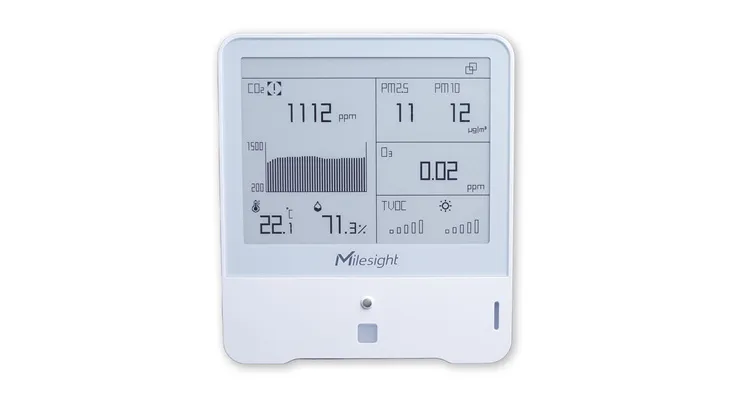
Bad air is invisible until people feel it: tired heads in the afternoon meeting, customers leaving the upper floor early, a headache after the service. A CO₂ sensor shows how much used air is in a room, particulate and VOC sensors show what else is in it, and outdoors wind, ozone and pressure complete the picture.

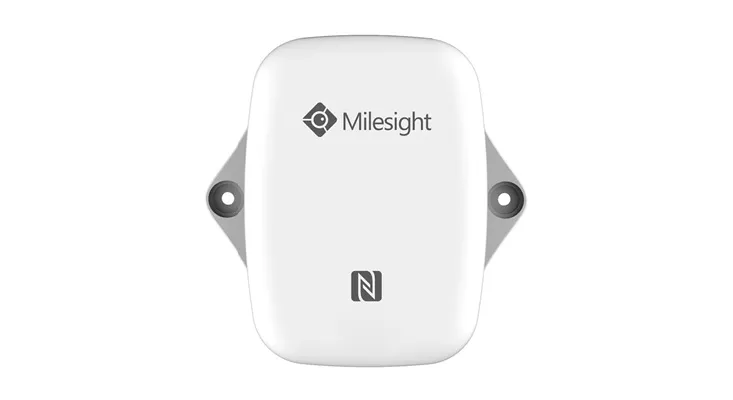
Each sensor runs on battery and sends by radio to the baiond Gateway; the Space System places it in its room, so a reading always has a location. Before the board meeting in Conference Room 3 that means a clear answer: 1,180 ppm CO₂ against a target below 800 ppm, so ventilate for twelve minutes before it starts.

Variants
9
Industries using it
12
Protocols
LoRaWAN
How the readings travel
Sensor baiond Gateway Your answer
Variants

Every Air & Air Quality variant, one platform.

Pick the variant that fits the place. Whatever you choose, the readings arrive in the same platform and answer the same questions.

CO₂ sensor

CO₂ sensor

Carbon dioxide sensor

How much used air is in a room — the clearest sign that it is time to ventilate.

Measures the carbon dioxide concentration in the air. Indoors, rising CO₂ means many people and too little fresh air: concentration drops and rooms feel stuffy. Outdoors it helps track the environment around a site and feeds emissions reporting.

Measures
CO₂ in ppm
Typical use
Meeting rooms, classrooms, churches, sales floors
Particulate matter sensor

Particulate matter sensor

PM1, PM2.5, PM10

Fine dust, pollen and smoke in the air, split by particle size.

Counts fine particles in the air — dust, pollen, smoke, traffic pollution — and reports them by size class. The smaller the particles, the deeper they reach into the lungs. Used near building sites and busy roads, in schools and wherever limits have to be documented.

Measures
PM1, PM2.5, PM10 in µg/m³
Typical use
Streets, building sites, schools, city districts

VOC sensor

Volatile organic compounds

Gases from paints, cleaning agents, fuels and sprays — the air quality CO₂ does not show.

Detects volatile organic compounds released by materials and chemicals: new furniture, cleaning agents, fuels, fertilisers and pesticides. It shows spikes that affect people or plants and helps time spraying or ventilation.

Measures
Total VOC as index or ppb
Typical use
Offices, workshops, fresh renovations, greenhouses
Oxygen sensor

Oxygen sensor

O₂ sensor

The oxygen level in enclosed spaces where it can drop without anyone noticing.

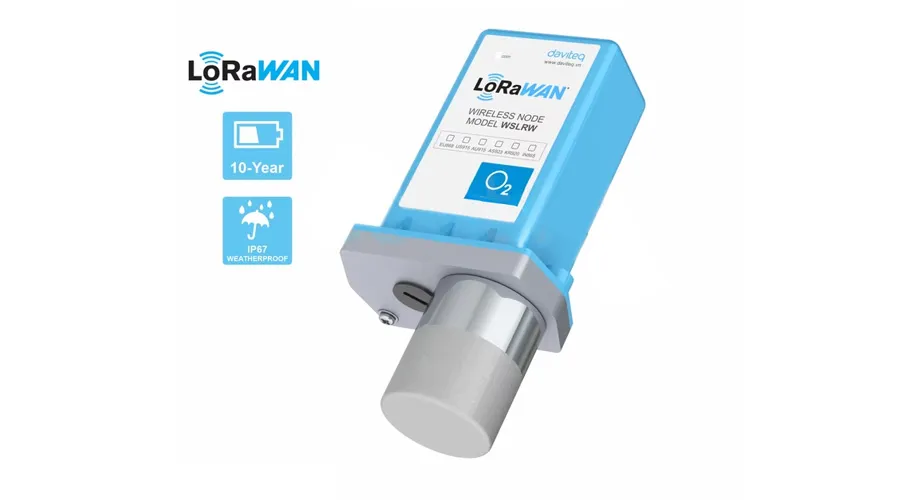
Measures the share of oxygen in the air. Most relevant in enclosed spaces such as plant rooms, greenhouses, cellars or storage with controlled atmospheres, where a falling value is a safety issue. Also used in environmental and wildlife research.

Measures
Oxygen in % by volume
Typical use
Plant rooms, cellars, greenhouses
Ozone sensor

Ozone sensor

O₃ sensor

Ground-level ozone on sunny days — a risk for people working outside and for plants.

Measures ozone, which forms near the ground on sunny days with traffic and industry nearby. High values strain people working outdoors and damage turf, vines and crops. Used for air-quality indices and long-term monitoring at the edge of cities and industrial areas.

Measures
Ozone in ppb or µg/m³
Typical use
City districts, vineyards, sports grounds
Temperature and humidity sensor

Temperature and humidity sensor

The two base readings of any climate, in one outdoor or indoor unit.

Records air temperature and relative humidity together. Outdoors the pair feeds irrigation plans and turf care and shows weather changes early; indoors it completes the CO₂ reading into a full picture of the room climate.

Measures
Air temperature in °C, humidity in %
Typical use
Rooms, golf courses, sports turf

Barometric pressure sensor

Atmospheric pressure — falling values announce storms and rain hours ahead.

Tracks atmospheric pressure. A quick drop points to storms, wind and rain before they arrive, which helps plan maintenance, events and irrigation on outdoor sites. Usually combined with temperature and humidity in a weather station.

Measures
Air pressure in hPa
Typical use
Weather stations on large outdoor sites
Wind speed and direction sensor

Wind speed and direction sensor

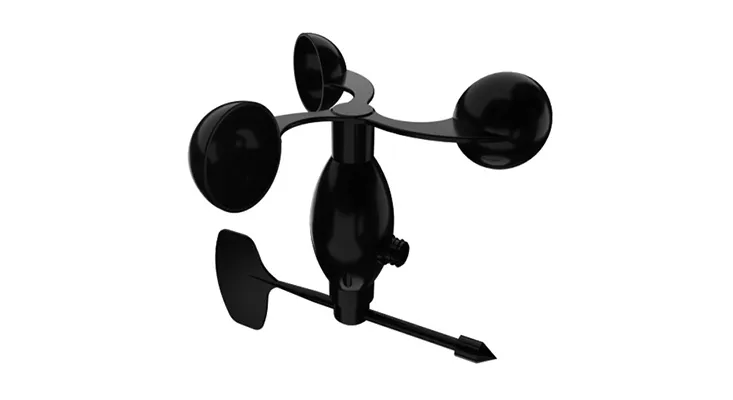
Anemometer and wind vane

How strong the wind blows and from where — for safe spraying, events and play.

Measures wind speed and direction. The data decides whether spraying drifts, whether sprinklers hit their target and whether play or an event on an exposed site is still safe. Usually mounted on a weather station.

Measures
Wind speed in m/s, direction in degrees
Typical use
Golf courses, vineyards, stadiums, events
Air quality index sensor

Air quality index sensor

AQI

Several pollutants combined into one index anyone can read at a glance.

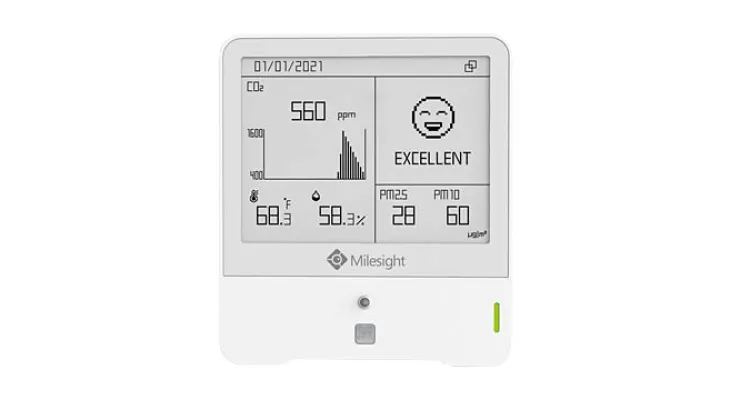
Combines particulate matter, CO₂, VOC and ozone into one standard index. Visitors, pupils or staff do not need to know what ppm means — a single value or colour tells them whether the air is good. Common in public areas, schools and sports facilities.

Measures
Combined air quality index
Typical use
Schools, public buildings, sports halls
Under the hood

For technical readers

Every variant at a glance, with the protocols the readings travel on.

Protocols
  • LoRaWAN
Air & Air Quality: variants, what they measure, typical use
VariantMeasuresTypical use
CO₂ sensor CO₂ in ppm Meeting rooms, classrooms, churches, sales floors
Particulate matter sensor PM1, PM2.5, PM10 in µg/m³ Streets, building sites, schools, city districts
VOC sensor Total VOC as index or ppb Offices, workshops, fresh renovations, greenhouses
Oxygen sensor Oxygen in % by volume Plant rooms, cellars, greenhouses
Ozone sensor Ozone in ppb or µg/m³ City districts, vineyards, sports grounds
Temperature and humidity sensor Air temperature in °C, humidity in % Rooms, golf courses, sports turf
Barometric pressure sensor Air pressure in hPa Weather stations on large outdoor sites
Wind speed and direction sensor Wind speed in m/s, direction in degrees Golf courses, vineyards, stadiums, events
Air quality index sensor Combined air quality index Schools, public buildings, sports halls

Data sheets (radio, power supply, protection class) for the variant that fits your site come with the quote. Request data sheets

Ask baiond

Ask what it measures.

A question this sensor answers, the way baiond answers: readings, reasons, a recommendation and the source.

baiond AI Your data. Real answers.
Demo · not connected to live sensorsDemo
Is the indoor climate in Conference Room 3 optimal for today’s board meeting?
You
Checked Air quality sensor · baiond Gateway · Space System How did baiond know?
  1. Sensor
  2. baiond Gateway
  3. Space System
  4. AI agent

The sensor reports to the baiond Gateway, the Space System puts the reading in context (location, threshold, history), and the AI agent turns it into an answer.

Source: Air quality sensor · baiond Gateway · Space System

  • CO₂ 1180ppm
  • Target < 800ppm
  • Temperature 23.4°C

No. The CO₂ concentration is currently elevated at 1,180 ppm, exceeding the target range for high cognitive performance (under 800 ppm). Temperature is fine at 23.4 °C.

baiond AI
Recommendation

Open the windows or activate ventilation for 12 minutes to bring CO₂ down to approximately 650 ppm before the meeting.

Would you like me to investigate further?

Frequently asked questions

Frequently asked questions

At what CO₂ level should we open the windows?

A common guide is to ventilate once a room passes about 1,000 ppm; many buildings aim to stay below 800 ppm. You set the target per room, and baiond tells you when and where it is exceeded.

Is one CO₂ sensor per floor enough?

Rarely. CO₂ is a room reading: the full meeting room and the empty office next door can be far apart. One sensor per regularly used room gives answers you can act on.

Can we show the air quality to visitors or pupils?

Yes. baiond can show a simple index or traffic-light value per room or site on a screen or in reports, so people see at a glance whether the air is good.

Do we need our own weather station if weather data exists online?

baiond already uses regional weather data. A station on site adds what happens on your ground — wind on the exposed hole, the frost pocket, the gusts at the stand — which the nearest official station cannot see.

Next step

Which Air & Air Quality sensor fits your site?

Tell us the place and the question. We name the variant, the quantity and what it costs.

Request a quote
Ask baiond
baiond AI is typing