Request a consultation
Custom-built Sensors

Crack Monitoring Sensor

A crack sensor measures the width of a crack at regular intervals and shows whether it is still moving, and after which weather. For churches, monuments, bridges and existing buildings, instead of a tell-tale read once a year.

Crack Monitoring
Protocols: LoRaWAN

A plaster tell-tale says a crack has moved, but not when, how fast or after which weather. A crack found in April after a frost in February leaves every question open: still moving, or settled?

The crack sensor bridges the crack with two small anchors and measures its width precisely, at regular intervals. It sends wirelessly to the baiond Gateway; the Space System places it on its wall, next to the climate sensors in the room and the weather outside. So you see whether the crack under the west cornice widened by 0.26 mm in the week of the −11 °C nights and closed again, or kept opening. Conservators and structural engineers get the curve instead of a single reading.

Variants
3
Industries using it
4
Protocols
LoRaWAN
How the readings travel
Sensor baiond Gateway Your answer
Custom-built Sensors

More custom builds

Variants

Every Crack Monitoring variant, one platform.

Pick the variant that fits the place. Whatever you choose, the readings arrive in the same platform and answer the same questions.

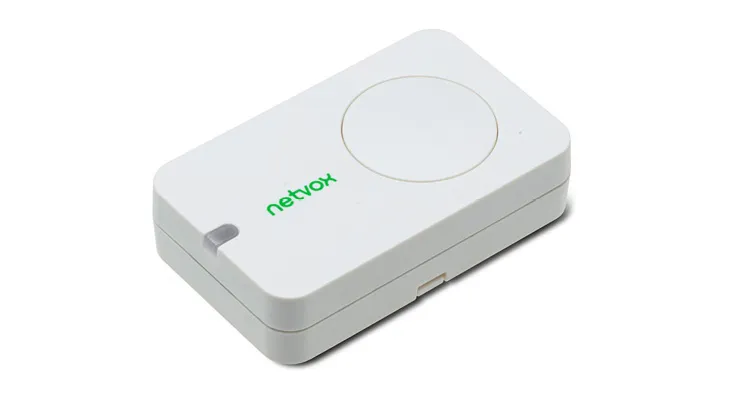
Crack width sensor

Crack gauge

Measures how wide a crack is, at regular intervals and with fine resolution.

Two anchors on either side of the crack hold a displacement sensor that records every opening and closing. Next to temperature, humidity and frost it separates seasonal breathing from a crack that keeps growing.

Measures
Crack width (mm), change over time
Typical use
Church walls, vaults, facades, bridges
Tilt sensor

Inclinometer

Shows whether a wall, tower or pillar starts to lean.

Fixed to a wall or a pillar, it registers the smallest change in angle. Together with the crack widths it shows whether a movement is local or the whole structure is shifting.

Measures
Inclination (degrees), change
Typical use
Towers, retaining walls, pillars
Vibration sensor

Vibration sensor

Records shocks from traffic, construction or bells.

It logs the vibrations that reach the fabric, from a building site next door, heavy traffic or the bells. When a crack moves, the log shows whether a shock came first.

Measures
Vibration, peak events
Typical use
Monuments near roads or building sites
Under the hood

For technical readers

Every variant at a glance, with the protocols the readings travel on.

Protocols
  • LoRaWAN
Crack Monitoring: variants, what they measure, typical use
VariantMeasuresTypical use
Crack width sensor Crack width (mm), change over time Church walls, vaults, facades, bridges
Tilt sensor Inclination (degrees), change Towers, retaining walls, pillars
Vibration sensor Vibration, peak events Monuments near roads or building sites

Data sheets (radio, power supply, protection class) for the variant that fits your site come with the quote. Request data sheets

Ask baiond

Ask what it measures.

A question this sensor answers, the way baiond answers: readings, reasons, a recommendation and the source.

baiond AI Your data. Real answers.
Demo · not connected to live sensorsDemo
Did the crack on the west facade move during the frost last week?
You
Checked Crack sensors + weather data · baiond Gateway · Space System How did baiond know?
  1. Sensor
  2. baiond Gateway
  3. Space System
  4. AI agent

The sensor reports to the baiond Gateway, the Space System puts the reading in context (location, threshold, history), and the AI agent turns it into an answer.

Source: Crack sensors + weather data · baiond Gateway · Space System

  • Crack width 1.34mm
  • Change 7 days +0.26mm
  • Min. temperature -11°C

Yes. The crack under the west cornice has widened by 0.26 mm in 7 days to 1.34 mm, the largest weekly change since monitoring began. Movement follows the night frosts down to −11 °C; the crack has not closed again on the milder days, which points to more than seasonal breathing.

baiond AI
Recommendation

Have the cornice section inspected from a lift before the next frost period and check the joint for water ingress. Keep the enhanced alert threshold until the crack has been stable for four weeks.

Would you like me to investigate further?

Frequently asked questions

Frequently asked questions

Does the sensor damage historic fabric?

It is fixed with the same small anchors a plaster tell-tale needs, and it sends wirelessly, so no cables run across the wall.

How precise is the measurement?

The sensor resolves very small changes in crack width and measures at regular intervals, so even slow movement over weeks becomes visible. The exact resolution depends on the variant.

How do I know whether a crack is dangerous?

A crack that opens with frost and closes again is breathing; one that keeps opening is not. baiond shows the curve next to the weather and alerts at the threshold your structural engineer sets.

Can I share the data with the heritage authority?

Yes. The readings can be exported as a report for conservators, engineers and funding bodies.

Next step

What do you need to measure?

Describe the case in a few sentences. We come back with feasibility, a route and a timeframe.

Request a quote
Ask baiond
baiond AI is typing