Request a consultation
Custom-built Sensors

Electric Fence Sensor (Fence Control)

The electric fence sensor measures the voltage on the wire of each fence section and reports a drop promptly, with the section that caused it. Solar-powered, LoRaWAN, proven on 800 km of protective fence in Kenya.

Electric Fence Sensor
Protocols: LoRaWAN

A branch on the wire, wet grass after rain, a cracked insulator: the voltage sinks and the fence stops protecting, and the energiser display often still looks fine. Until someone drives the line, nobody knows.

Fence Control clamps onto the live wire of a section and measures the pulse voltage there. It runs on a small solar cell and sends by LoRaWAN to the baiond Gateway, so a fence far from mains and mobile coverage still reports. When the upper paddock drops to 2,100 V, the farmer gets a message with the section, the value and the time it started, and every event stays in the log for insurers and authorities. The sensor was built for Rhino Ark's 800 km perimeter in Kenya and works the same on a summer pasture.

Variants
2
Industries using it
4
Protocols
LoRaWAN
How the readings travel
Sensor baiond Gateway Your answer
Custom-built Sensors

More custom builds

Variants

Every Electric Fence Sensor variant, one platform.

Pick the variant that fits the place. Whatever you choose, the readings arrive in the same platform and answer the same questions.

Fence voltage sensor

Fence Control

Measures the pulse voltage on the wire of one fence section.

Mounted on the line, not at the energiser, it sees faults along the fence that the device display hides. Each sensor guards one section; a drop below the agreed value triggers a message naming the section, the voltage and the start time.

Measures
Pulse voltage (kV) per section
Typical use
Reserve perimeters, pastures, paddocks
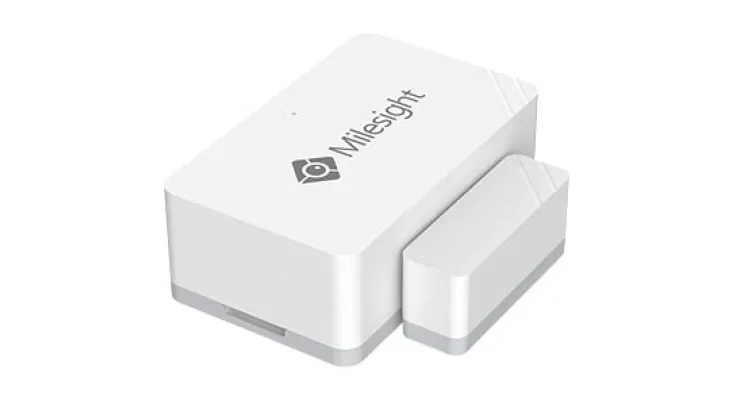
Gate contact

Gate contact

Reports when a gate in the fence stands open.

A contact on the gate tells whether it is closed. Next to the voltage it explains a drop at once: a gate left open, not a fault on the wire.

Measures
Open / closed, open time
Typical use
Pasture gates, reserve access points
Under the hood

For technical readers

Every variant at a glance, with the protocols the readings travel on.

Protocols
  • LoRaWAN
Electric Fence Sensor: variants, what they measure, typical use
VariantMeasuresTypical use
Fence voltage sensor Pulse voltage (kV) per section Reserve perimeters, pastures, paddocks
Gate contact Open / closed, open time Pasture gates, reserve access points

Data sheets (radio, power supply, protection class) for the variant that fits your site come with the quote. Request data sheets

Ask baiond

Ask what it measures.

A question this sensor answers, the way baiond answers: readings, reasons, a recommendation and the source.

baiond AI Your data. Real answers.
Demo · not connected to live sensorsDemo
Is the cattle fence still live on the upper paddock?
You
Checked Electric fence sensor · Gate contact · baiond Gateway How did baiond know?
  1. Sensor
  2. baiond Gateway
  3. Space System
  4. AI agent

The sensor reports to the baiond Gateway, the Space System puts the reading in context (location, threshold, history), and the AI agent turns it into an answer.

Source: Electric fence sensor · Gate contact · baiond Gateway

  • Voltage 2,100V
  • Minimum for cattle ≥ 3,000V
  • Below since 4h

No. The upper paddock has been at 2,100 V for 4 hours, below the 3,000 V that cattle respect. The lower paddock on the same energiser is fine, so the fault is most likely between the two gates.

baiond AI
Recommendation

Check the east gate first: the handle may not be back on the wire. Count the cattle while you are there.

Would you like me to investigate further?

Frequently asked questions

Frequently asked questions

How does the sensor measure the fence voltage?

It is connected to the live wire of a section and measures the pulse voltage there, not at the energiser. That is why it sees a fault on the line that the energiser display would still hide.

Does it need power or mobile coverage?

No. It runs on a small solar cell and sends by LoRaWAN to a baiond Gateway, which can sit well away from the fence.

Does it work on a cattle pasture as well as a reserve?

Yes. The sensor does not care whether the wire keeps rhinos in or cattle. A pasture with three sections typically needs one gateway and one sensor per section.

Can I prove the fence was live?

Yes. Every reading and every event is stored with a timestamp, so the fence history is there when an insurer or an authority asks.

Next step

What do you need to measure?

Describe the case in a few sentences. We come back with feasibility, a route and a timeframe.

Request a quote
Ask baiond
baiond AI is typing